

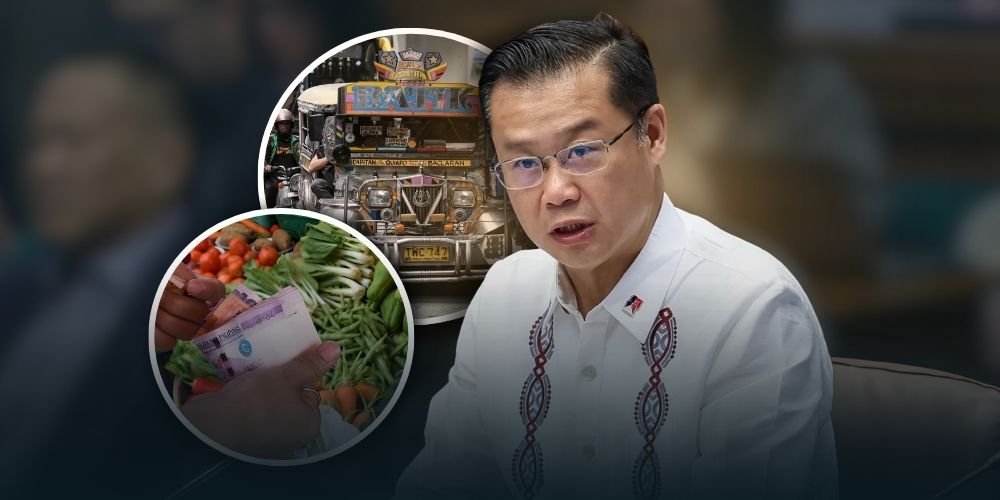
Forty-five days into the Middle East conflict, Senator Win Gatchalian questioned why Filipinos have yet to feel concrete relief, pressing the Proactive Response and Oversight for Timely and Effective Crisis Strategy committee to show results as fuel costs remain high and uncertain.
During a hearing, Gatchalian shifted the discussion from existing programs to how these are being carried out, raising concerns over gaps in execution despite available funding and policies. He said conditions for ordinary Filipinos remain largely unchanged despite developments such as the passage of Philippine-flagged vessels through the Strait of Hormuz and a two-week ceasefire. He said oil prices remain high, uneven, and unpredictable, leaving Filipinos to carry “two burdens, cost and uncertainty,” as fuel prices affect transport fares and daily expenses.
He said it was necessary to revisit the direction of the discussions, noting that during the first hearing, the committee had already examined whether the government was prepared to respond through a comprehensive and strategic national contingency plan despite existing initiatives. He added that the committee had also submitted a preliminary report to the Executive Branch with recommendations aimed at easing the burden on Filipinos.
“My question is where are we now? Because plans are no longer enough, we need to see results. The Department of Budget and Management has allocated P238 billion in support of the transportation sector, as well as for farmers, fisherfolk, and other social protection programs,” he added.
Gatchalian said recent developments are not enough to address long-term fuel and energy concerns. “Should the war end tomorrow, we need to see a roadmap to recovery,” he said, calling for clear timelines on measures being implemented, those set for rollout, and those still in planning.
He said the committee is prepared to support further action through legislation as it continues its oversight.