

The International Criminal Court (ICC) has required former President Rody Duterte to attend every scheduled hearing of his crimes against humanity trial beginning Nov. 30, 2026, while rejecting a request from lawyers representing victims to use Filipino, specifically Tagalog, during portions of their opening statement.
During the fifth and final status conference on Nov. 2 in The Hague, Netherlands, ICC Trial Chamber III Presiding Judge Joanna Korner denied a request from Paolina Massidda, principal counsel of the Office of Public Counsel for Victims, to present excerpts from victims’ accounts in Tagalog.
Massidda sought permission to use the language for approximately 15 to 20 minutes, explaining that victims following the proceedings from the Philippines would be able to hear their experiences presented in the language in which they originally shared them.
Korner rejected the request, citing the Rome Statute’s provisions recognizing English and French as the ICC’s working languages.
“The Rome Statute is quite clear. The working languages of the court are English and French,” Korner said, reiterating that the opening statement must be delivered in English.
The chamber also raised concerns about translation requirements and the fact that Tagalog is not spoken by all participating victims. Judges indicated that arrangements could be explored to make Tagalog translations or transcripts available through the ICC website.
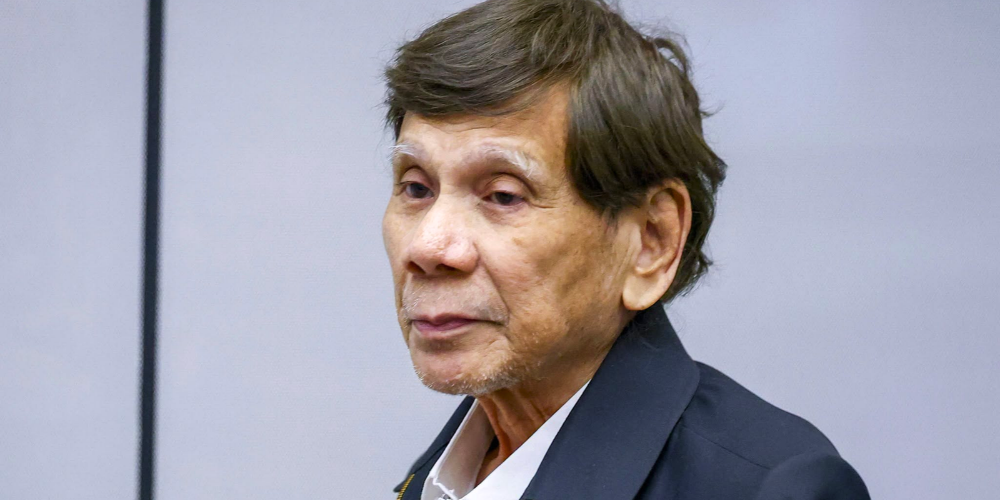
During the same conference, Korner informed Duterte’s defense team that the former president would be expected to attend his scheduled trial hearings daily beginning Nov. 30. Duterte had been excused from the Nov. 2 conference because the proceeding was expected to be brief.
“Once the actual trial starts, we will expect, as we said, attendance on a daily basis,” Korner told defense counsel Peter Haynes, who acknowledged the instruction and assured the chamber of Duterte’s attendance.
Article 63(1) of the Rome Statute requires an accused person to be present during trial. Any alternative arrangements concerning Duterte’s participation remain subject to judicial authorization.
The attendance requirement follows the ICC’s Sept. 28 decision, made public Oct. 8, finding Duterte fit to stand trial. Independent medical experts acknowledged his physical frailty and age-related slowing but concluded that he could understand the proceedings and instruct his lawyers. His defense had previously raised concerns about memory impairment.
The chamber subsequently adopted medical accommodations, including shorter hearing sessions, regular breaks and continued health monitoring. Under the modified schedule, hearings will consist of four one-hour sessions beginning at 10 a.m. in The Hague or 5 p.m. Philippine time.
Duterte, 81, has been in ICC custody since March 12, 2025. On April 23, 2026, Pre-Trial Chamber I confirmed three counts of crimes against humanity involving murder and attempted murder linked to alleged killings during his tenure as Davao City mayor and his presidency.
The confirmed charges cover alleged murders in Davao City from 2013 to approximately June 2016, killings of individuals classified as high-value targets between July 2016 and July 2017, and murders and attempted murders connected to barangay clearance operations between July 2016 and September 2018.
When the trial opens on Nov. 30, judges will establish whether Duterte understands the charges and ask whether he admits guilt or pleads not guilty. Opening statements will follow before the prosecution begins presenting witnesses.
Duterte remains presumed innocent, and the prosecution must prove the charges beyond reasonable doubt before any conviction can be entered.