

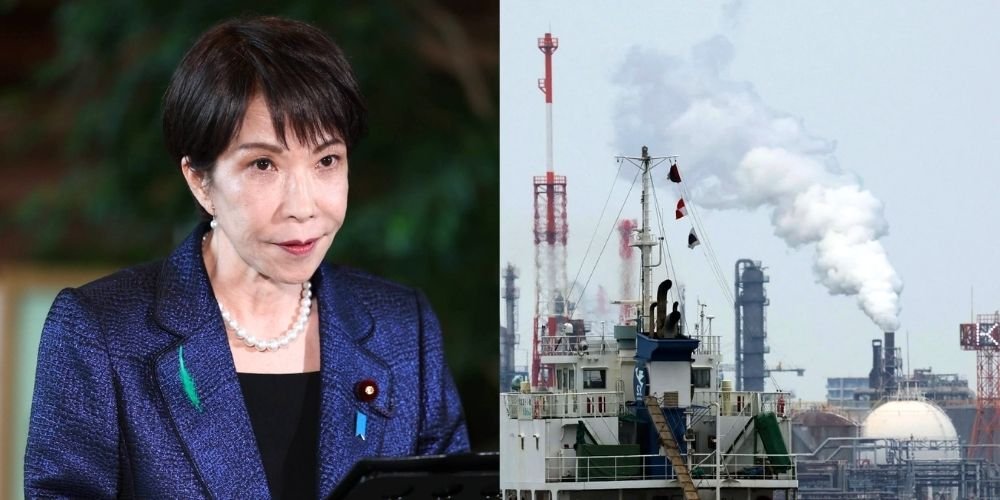
Japan is deploying nearly ₱600 billion in financial support to Southeast Asia as oil prices surge and fuel supply tightens following the Middle East war. Prime Minister Sanae Takaichi (高市早苗) announced the package after a virtual meeting with regional leaders, signaling how the crisis is already affecting economies across Asia.
Takaichi said the move is tied to supply chain risks that could reach Japan’s own industries.
“Japan is closely linked to other Asian countries through supply chains and other means,” she told reporters.
She warned that fuel shortages and supply disruptions in the region could affect Japan’s access to medical supplies such as surgery gloves, adding that this “would have a significant negative impact on Japan’s economy and society.”
The funding will be coursed through the Japan Bank for International Cooperation and other financial institutions, aimed at helping Southeast Asian economies secure crude oil amid the supply shock linked to the war. The region has been among the hardest hit, with countries facing rising fuel prices and limited supply.
In the Philippines, a national energy emergency was declared in March after gasoline and diesel prices doubled since the war began. The country depends on imports from the Middle East for about 98 percent of its oil needs. Vietnam temporarily removed value-added tax on gasoline, diesel, and jet fuel, while airlines cut routes starting April 1 due to an aviation fuel shortage.
Japan has tapped its oil reserves twice since the conflict began in late February, but officials said these are intended for domestic use. The government added it can still secure enough crude this year by sourcing alternatives to the Strait of Hormuz and relying on its reserves.