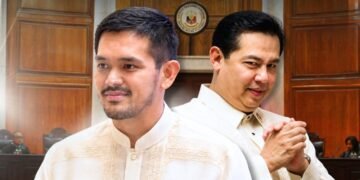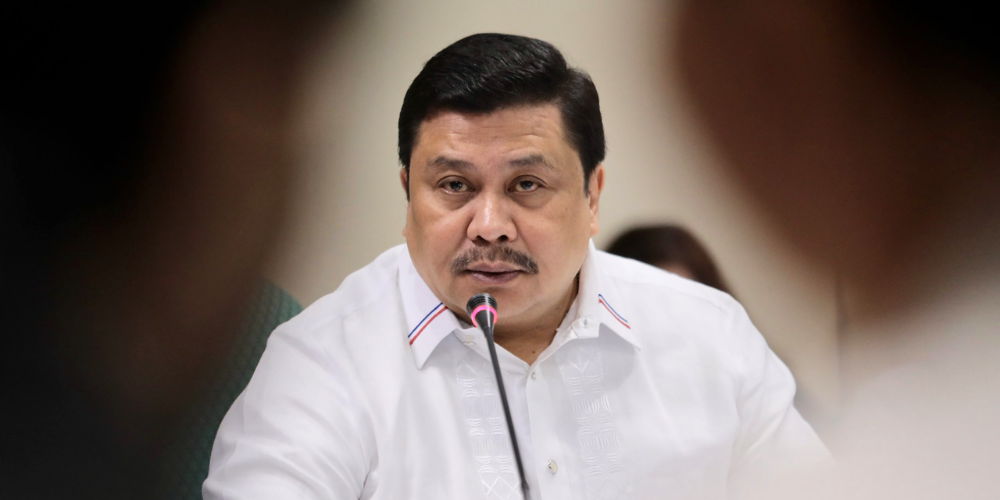
The Sandiganbayan has ordered the arrest of Senator Jinggoy Estrada in the plunder case filed against him over alleged corruption in flood-control projects, adding a more serious legal front to the graft case already lodged before the anti-graft court.
Interior Secretary Jonvic Remulla confirmed that Estrada will surrender at Camp Crame in Quezon City following the arrest warrant issued against him in the non-bailable plunder case.
The case was filed by the Office of the Ombudsman against Estrada, former Public Works Secretary Manuel Bonoan, former DPWH Undersecretary Roberto Bernardo, and other respondents over alleged irregularities in government flood-control projects. Prosecutors accused Estrada of receiving more than ₱570 million in kickbacks, while Bonoan was charged as part of the same case involving the implementation and approval of questioned projects.
Estrada has denied the allegations and said he intends to use the legal remedies available to him. In a statement, he said his lawyers had filed pleadings asking the Sandiganbayan to consolidate the cases, defer any arrest warrant, quash the information, dismiss the case, or suspend proceedings pending reinvestigation.
He also argued that the filings were not mere technicalities, saying he received a copy of the Ombudsman resolution on the plunder case only last Friday evening and should be allowed to seek reconsideration.
The arrest order comes after Estrada had posted bail in the separate graft case. Plunder is generally non-bailable, making the new arrest order a more serious development in the proceedings. The flood-control scandal has widened into one of the country’s biggest corruption probes, with lawmakers, public works officials, and contractors accused of involvement in questionable, defective, or nonexistent infrastructure projects.
Corruption is and has always been the Philippines’ biggest problem. While Estrada and Bonoan now face arrest warrants in the flood-control plunder case, the larger accountability battle continues to point toward Martin Romualdez, whose role in the alleged budget insertions and questioned public works allocations remains one of the most explosive issues in the widening investigation.