


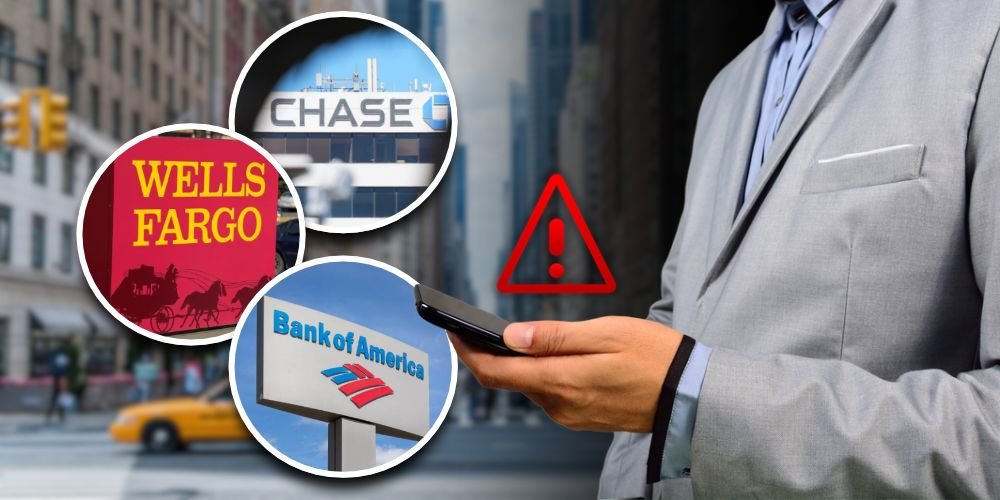
Thousands of Americans reported banking disruptions on Nov. 16 after a technical malfunction at JPMorganChase affected financial transactions involving several major U.S. banks, including Bank of America, Wells Fargo, U.S. Bank, Capital One and Truist.
According to outage-monitoring platform Downdetector, complaints began increasing Monday morning before surging in the afternoon. By 2 p.m. Eastern Time, nearly 4,800 users had reported problems involving Chase, the highest number among the institutions receiving complaints.
Customers reported difficulties accessing online accounts, checking balances, transferring funds and completing transactions through mobile banking applications. Some Bank of America users also reported ATM problems, while Wells Fargo customers encountered difficulties signing into their accounts.
JPMorgan Chase confirmed that a software bug in its systems had caused transaction delays, including payments involving other financial institutions. The bank clarified that the disruption was not caused by a cyberattack and did not represent a systemic failure of the U.S. banking industry.
The problems extended beyond online banking. In Dallas, Texas, a Chase customer reported being unable to deposit a check at a physical branch after employees encountered system difficulties.
Digital payment service Zelle also received complaints, although its operator confirmed that the payment network remained operational. Some transactions were delayed because of problems involving participating banks.
The banking disruptions occurred days after separate technology failures affected Microsoft services and the Federal Aviation Administration, raising broader concerns about the reliability of America’s interconnected digital infrastructure.
Financial security experts advised customers to document unsuccessful transactions, monitor official banking announcements and remain vigilant against fraudulent messages exploiting the disruption.