


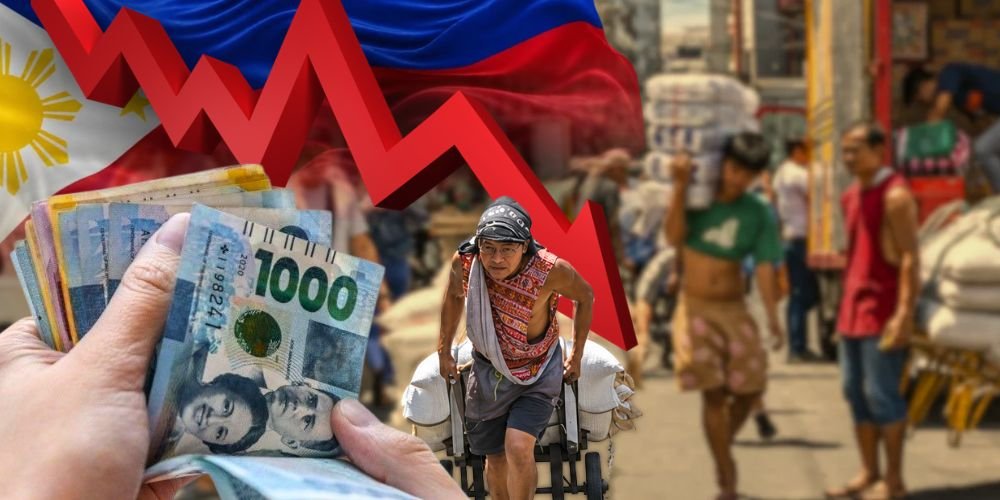
Philippine stocks plunged to their lowest closing level in more than six years, returning to pandemic-era levels, on Monday, Nov. 16, as the peso slipped closer to ₱64 per dollar and rising inflation and slowing economic growth unsettled investors.
The The Philippine Stock Exchange, Inc. index (PSEi) lost 111.61 points, or 2%, to finish at 5,481.88. It was the index’s lowest close since May 18, 2020, when it ended at 5,479.35 during the COVID-19 pandemic.
The peso closed at ₱63.94 against the US dollar, weakening by 22 centavos from Friday’s ₱63.72. It had finished 2025 at ₱58.79 per dollar.
Economic figures added to investor concerns. Philippine inflation accelerated to 7.8% in October from 7.2% in September, according to data from the Philippine Statistics Authority. Gross domestic product grew by 2.1% year on year in the third quarter, down from a revised 2.4% in the previous quarter.
Philstocks Financial research analyst Japhet Tantiangco linked the market decline to fears of stagflation, a period of persistently high inflation and weak economic growth. He also cited expectations of another US Federal Reserve rate increase.
“With the local bourse’s latest decline, it has given up its support at 5,600. New support is at 5,400,” Tantiangco said.
All six market sectors ended lower. Mining and oil shares fell 3.69%, the steepest sectoral decline, while services dropped 3.01%. Across the exchange, 131 stocks declined, 51 advanced and 59 were unchanged. Total trading value reached ₱7.17 billion.
RCBC chief economist Michael Ricafort also cited weaker corporate earnings, higher US Treasury yields and the depreciating peso as pressures on the stock market.
The Bangko Sentral ng Pilipinas‘ benchmark interest rate stood at 5.5%. Analysts warned that raising borrowing costs further to fight inflation could put additional pressure on business activity and household spending. The central bank’s next scheduled rate-setting meeting is Dec. 17.