


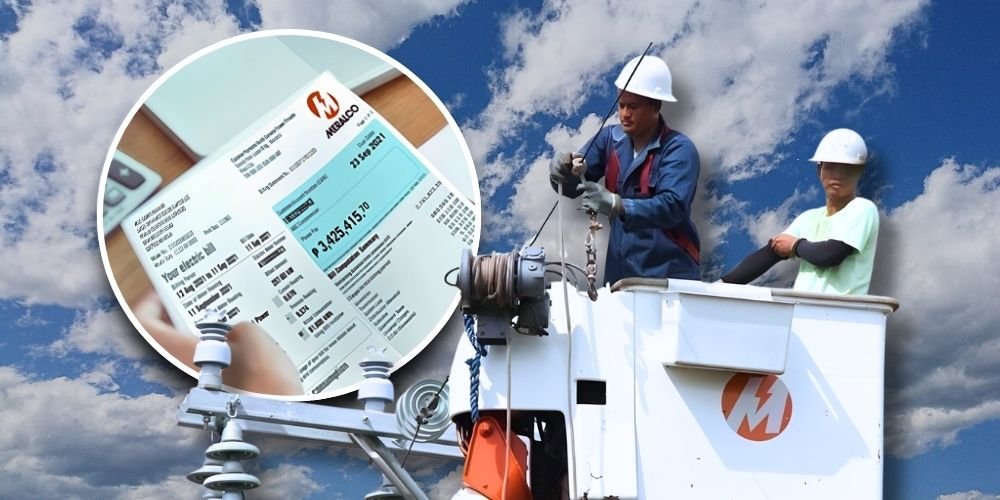
After customers raised concerns over higher electricity bills, the Manila Electric Company (Meralco) clarified that the charges appearing in statements are not arbitrary but approved and regulated before implementation.
Meralco said a large portion of the bill reflects the cost of electricity generation, which accounts for more than half of total charges and covers the price of power purchased from suppliers. Other components include transmission, taxes, and distribution costs needed to maintain the grid.
“Every line item in your electricity bill has been approved before it is reflected and implemented,” said Joe Zaldarriaga, Meralco’s vice president and head of corporate communications, stressing that charges undergo regulatory review before reaching consumers.
Meanwhile, the Energy Regulatory Commission clarified that several charges are mandated by law and applied across all distribution utilities. These include the lifeline subsidy for low-income households and the senior citizen discount, both treated as pass-through costs collected and remitted without profit.
Additional charges such as the Feed-in Tariff Allowance and Green Energy Auction Allowance fund renewable energy projects supporting the country’s shift to cleaner sources like solar and wind. Other fees, including the universal charge, help finance electrification efforts and government obligations in the power sector.
Meralco emphasized it does not profit from these mandated charges, saying the company acts only as a collection agent for costs set by regulators and laws.
The increased energy rates drew widespread backlash, including from PGMN Anchor Antonette Aquino, who called for reforms in how electricity consumers are billed. She pushed for a review of generation charges, a reassessment of how system loss is treated, and faster adoption of renewable energy to address long-term electricity costs.