


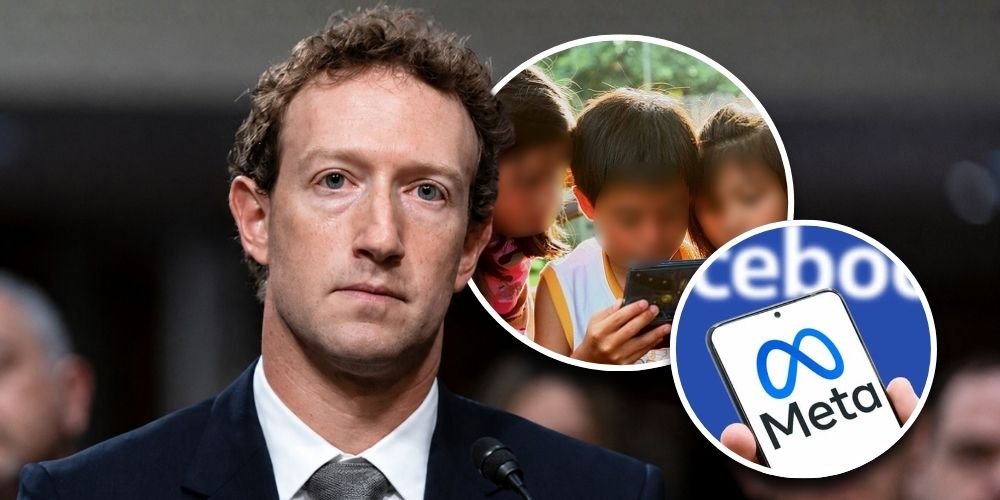
Meta has been ordered to pay $942 million in New Mexico after a state court ruled that Facebook and Instagram contributed to serious risks involving young users. The judgment is one of the largest penalties against the social media giant over claims that its platforms harmed children.
The ruling followed a two-stage trial before Judge Bryan Biedscheid. A jury first found Meta liable for 75,000 violations of New Mexico’s Unfair Practices Act, resulting in $375 million in penalties. The court later added another $567 million over youth mental health harms, bringing the total judgment to $942 million.
New Mexico Attorney General Raúl Torrez accused Meta of knowingly designing products that exposed children to harm while misleading parents and policymakers.
“Meta built products it knew would fuel addiction, deepen a youth mental health crisis, and expose children to sexual exploitation,” Torrez said. He added that the company “lied to parents and policymakers about the danger.”
The court ruled that Meta’s platforms created a public nuisance in New Mexico, finding that the effects extended beyond individual users and affected families, schools, hospitals and law enforcement. The judge also rejected Meta’s Section 230 defense, ruling that the case focused on platform design rather than user content.
The decision requires Meta to strengthen protections in New Mexico for five years, including age checks, limits on minors’ usage, safeguards against sextortion and exploitation, restrictions on sharing nude images involving minors and regular compliance reports.
Meta must also prevent minors from engaging in romantic or sexualized interactions with its AI chatbots and stop adults from using the technology for sexualized interactions involving children.
“For the first time, a court has ruled that a social media giant can be held liable for building products that endanger children,” Torrez said.
Meta plans to appeal.
“We remain confident in our record of protecting teens online,” the company said, arguing it has invested heavily in safety measures and that the lawsuit misrepresents its efforts.