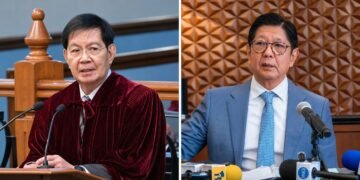



Naga City has officially become the first highly urbanized city (HUC) in the Bicol Region and the 34th nationwide after 82.12% of voters backed its conversion in a plebiscite, marking a historic milestone under the leadership of Mayor Leni Robredo.
COMELEC recorded 30,538 votes in favor of the conversion, representing 82.12% of the 37,186 valid votes cast for the two options. Only 6,648 voted against the proposal, ending Naga’s 78-year status as an independent component city and marking a major milestone in the region’s development.
The result ratified Presidential Proclamation No. 1267, signed by President Ferdinand Marcos Jr. on May 26, 2026, after Naga met the population and income requirements under the Local Government Code. The city has a certified population of 210,545 and an annual income of approximately ₱298.53 million based on 1991 constant prices.
“Today, Naga City has claimed its future,” Robredo said following the announcement of the results.
“For decades, Naga has proven that good governance and people’s participation are the true engines of progress,” she said in a statement celebrating the milestone.
As a highly urbanized city, Naga gains greater fiscal and administrative autonomy, expanded borrowing capacity, and opportunities for direct access to national government funding, which could support infrastructure development, flood control, improved public services, and investments that generate employment across the city and neighboring communities.
Robredo emphasized that the transition must translate into tangible improvements in the lives of Nagueños, with greater opportunities and stronger public institutions accompanying the city’s expanded powers.
“From here, our work truly begins. I ask you all, my fellow Nagueños: Stay engaged. Hold our institutions to the highest standard. Lend your voice and hands in our mission to reach for greatness,” she said.
Naga’s new status places it alongside the country’s highly urbanized cities, strengthening its position as a major center of commerce, education, and public services in Bicol.