


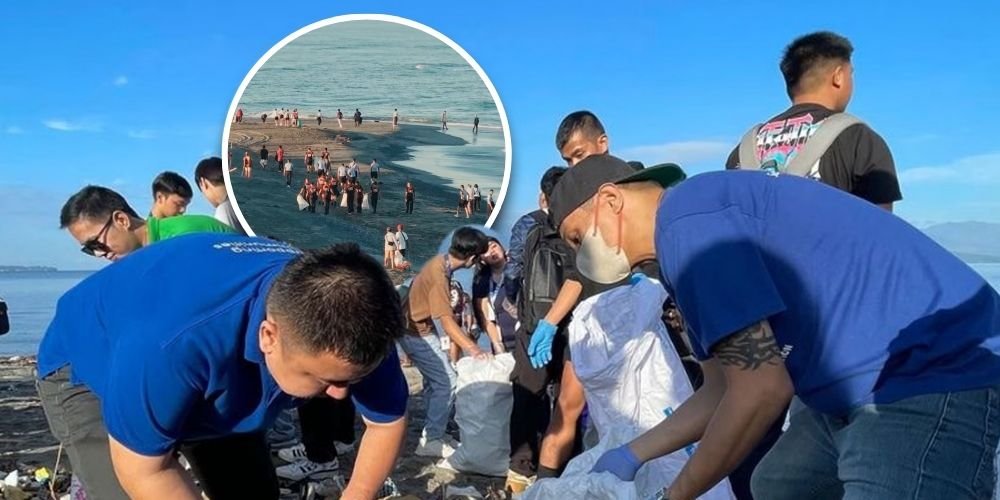
More than 56,000 volunteers gathered 228,000 kilograms of waste from Philippine coasts and waterways in a single day. The Sept. 19, 2026, cleanup brought together students, government employees, businesses and residents across Luzon, Visayas and Mindanao, turning a nationwide volunteer drive into a 228-ton collection.
The figures were reported by SM Cares, which organized the International Coastal Cleanup through activities held at 32 SM malls. The main Manila Bay cleanup site was at SM by the BAY in Pasay City. In Davao City, environmental officials separately recorded 852 volunteers collecting 4,832 kilograms of waste along an 804-meter stretch of coastline.
The collected waste came from beaches, rivers and waterways, although the overall figures did not specify how much was plastic. SM Cares identified Geocycle and Republic Cement as partners responsible for processing and diverting recovered materials. Public reports, however, do not indicate how much of the waste was recycled or where each portion ultimately ended up.
The 2026 event built on the previous year’s drive, which drew more than 48,800 volunteers across 28 malls and collected over 200,000 kilograms of waste. Participation extended beyond individual families to schools, companies and public agencies working side by side.
The effort did not end with gathering trash. SM Cares named Geocycle and Republic Cement as waste-management partners helping process and divert collected materials. Organizers also stressed sorting waste properly, a step that helps direct different types of trash toward suitable handling.
Research supports the value of removing larger plastic debris before it breaks into much smaller pieces. A study published September 12 in Communications Earth & Environment used computer models to show that earlier removal of existing ocean plastic could reduce the buildup of microplastics, tiny fragments that are difficult to recover.
Across the country, volunteers spent the day clearing places used by coastal communities and marine life. The 228-ton haul shows what coordinated local efforts can accomplish when thousands of people work toward the same goal.