


Israeli Prime Minister Benjamin Netanyahu said digital platforms have become powerful tools that can influence how people, governments, and conflicts are perceived around the world.
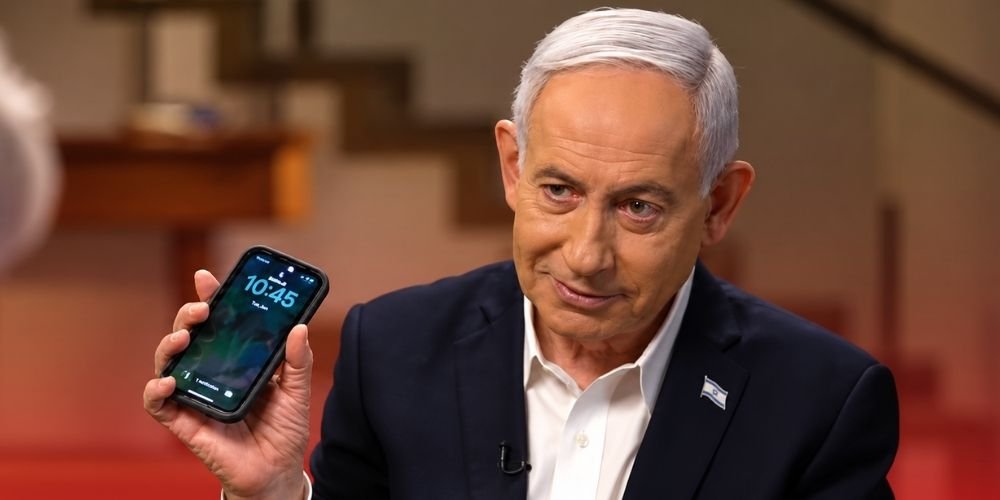
During an interview with CBS’ 60 Minutes, Netanyahu used interviewer Major Garrett’s smartphone as an example.
“You can penetrate this machine, you can penetrate this little instrument. And you can say about Major Garrett anything you want, and I can paint you as a monster. And if I say it often enough, enough people will believe it,” Netanyahu said.
His explanation also illustrates how the same tool could serve his own messaging. Repeated claims could help him defend Israel’s actions and influence how audiences view its enemies and the war.
Online critics called Netanyahu a hypocrite, arguing that Israel had already used the tactics he described against its enemies to shape narratives and damage reputations.
The phrase “penetrate this machine” also raised questions among some viewers about phone hacking, surveillance and the potential misuse of personal information. Other commenters understood it as a reference to propaganda spreading through social media. The passage does not establish that anyone accessed a phone or obtained private data.
Netanyahu also said,
“Israel is besieged on the media front, on the propaganda front, and we’ve not done well on the propaganda war. We have to fight back against these lies, this propaganda with the only weapon we have. It’s the truth.”
Garrett questioned whether Israel’s actions in Gaza and the West Bank had contributed to negative public views. Netanyahu acknowledged mistakes but rejected deliberate targeting of civilians, saying Israeli forces take measures to reduce civilian harm.
Gaza’s Health Ministry has reported more than 74,000 Palestinians killed and more than 175,000 wounded since the war began following the October 7, 2023 Hamas-led attack on Israel. Those totals do not distinguish civilians from combatants. Israeli strikes have continued despite a ceasefire.
UNICEF has reported thousands of children killed or injured in Gaza. The agency has also documented attacks damaging water infrastructure and destroying humanitarian supplies that children and families depend on.