


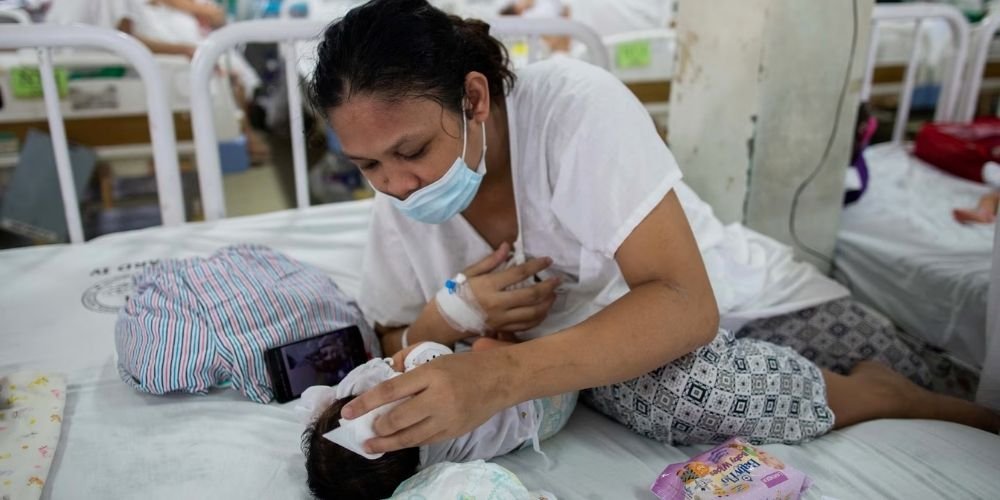
The number of children Filipino women are having has fallen to its lowest level on record, marking a major demographic shift in a country long known for large families and steady population growth.
Data from the Philippine Statistics Authority’s 2025 National Demographic and Health Survey showed that the country’s total fertility rate dropped to 1.7 children per woman, down from 2.7 in 2017 and 1.9 in 2022. The figure is well below the replacement level of 2.1 children per woman needed to sustain population growth without migration.
The decline amounts to a roughly 37 percent drop in less than a decade, highlighting how rapidly family formation patterns are changing across the country.
The Philippines was once considered one of Southeast Asia’s youngest and fastest-growing populations. The latest figures suggest that trend is slowing as more Filipinos delay parenthood, have fewer children, or choose not to expand their families.
The PSA reported that fertility among women aged 15 to 49 has steadily declined for more than three decades, falling from 4.1 children per woman in 1993 to 1.7 in the latest survey. Urban areas recorded lower fertility at 1.5 children per woman, while rural areas stood at 2.0.
Demographers attribute the decline to rising living costs, delayed marriage, longer years in education, greater workforce participation among women, urbanization, and changing views on family size. Higher housing, healthcare, childcare, and education expenses have also influenced reproductive decisions among younger Filipinos.
While the Philippines remains younger than many of its regional neighbors, experts warn that sustained fertility levels below replacement could eventually slow population growth, reduce future labor force expansion, and reshape long-term economic planning.