


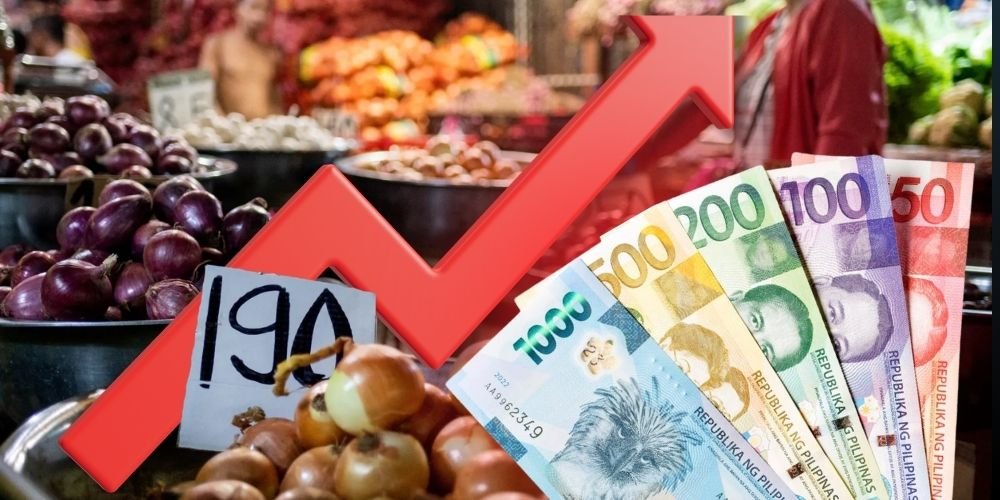
The Bangko Sentral ng Pilipinas (BSP) warned that April 2026 inflation could climb to as high as 6.4%, nearly double the government’s upper target ceiling, as fuel costs, food prices and a weakening peso compound existing price pressures.
The central bank placed its official April estimate between 5.6% and 6.4%, a sharp acceleration from March’s 4.1% — itself the highest reading in 20 months. The Philippine Statistics Authority is scheduled to release the official figure on May 5, 2026.
The BSP attributed the projected increase to higher domestic petroleum prices, rising costs of rice, fish and meat, increased electricity charges and continued peso depreciation. Easing prices of vegetables and fruits are expected to partially offset those pressures. The central bank maintained that “sources of upside price pressures continue to warrant close monitoring.”
In response to mounting inflation risks, the BSP Monetary Board raised its benchmark interest rate by 25 basis points to 4.5%. Ten out of 16 economists polled by the Philippine Daily Inquirer had anticipated the hawkish move. Governor Eli Remolona Jr. described the decision as “a preemptive measure to prevent volatile prices” and emphasized the hike aimed to “prevent spillover effects and keep inflation expectations in check.”
HSBC Senior Economist Aris Dacanay cautioned that a more serious threat looms beyond immediate price spikes. “We are talking about a global shortage of fertilizer, which will affect the yields of food supply, perhaps in three or six months’ time,” Dacanay said. He warned of a potential second inflation wave tied to disrupted fertilizer trade through the Strait of Hormuz. HSBC projects average inflation could reach 6.3% in 2026 under an adverse scenario.
Dacanay also flagged stagflationary pressures, noting that the BSP faces rising unemployment and weak growth alongside inflation that is still climbing. The BSP has revised its full-year 2026 inflation forecast to 6.3%, well above the government’s 2% to 4% target band.