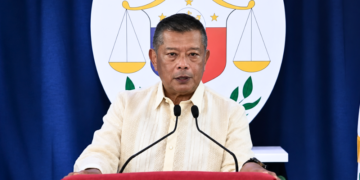


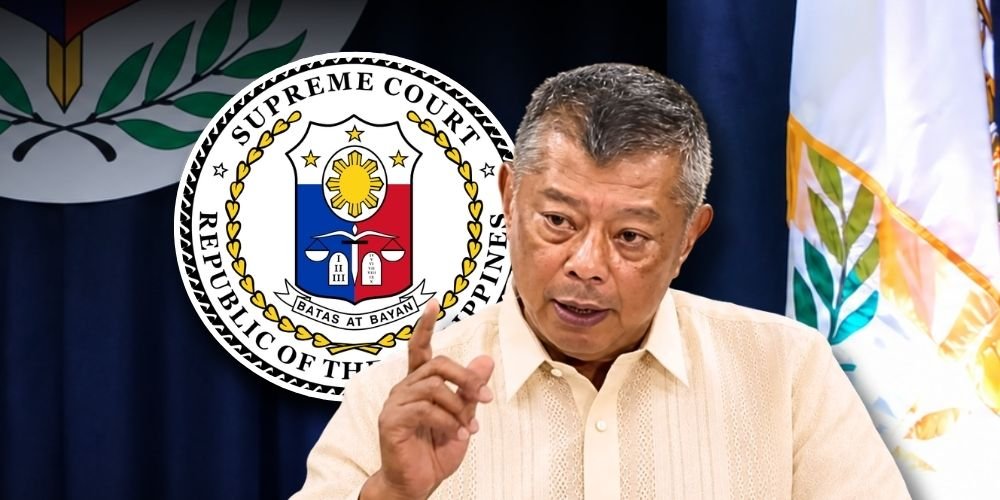
Marking his first year in office, Ombudsman Boying Remulla urged the Supreme Court on Monday, Oct. 12, to revisit a plunder doctrine he said makes powerful corruption figures harder to prosecute when illicit funds are routed through intermediaries.
In his first annual report, Remulla questioned the ruling in Macapagal‑Arroyo v. People requiring identification of a main plunderer and proof of personal benefit in raids on the public treasury. He warned that complex money trails can obscure who ultimately profits.
“Think about what that means. The smarter the thief, the safer he is. Pass the money through enough dummies, middlemen, and shore companies, and no one can be shown to have touched it,” he said.
Critics note the doctrine can shield masterminds because corruption schemes are often structured so funds run through subordinates, never visibly reaching the official at the top. Remulla said this makes proving benefit—and accountability—far more difficult.
He linked his appeal to the flood‑control scandal, alleging that money passed through layers of contractors and accounts without naming its true beneficiaries.
“Hindi po ‘yan hustisya. Panangga lang po ‘yan,” he said.
Remulla reported his office has filed 39 flood‑control cases involving 52 individuals, with 35 reaching the Sandiganbayan and four lodged in regional trial courts.
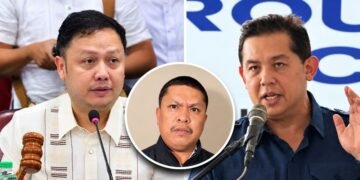
The cases include a ₱7.44‑billion plunder charge against former Speaker Martin Romualdez and former Rep. Zaldy Co over alleged kickbacks from government projects. Sen. Jinggoy Estrada faces separate plunder and graft charges involving ₱573 million, while former Sen. Bong Revilla faces graft and malversation charges tied to a ₱92.8‑million ghost flood‑control project in Bulacan.
Remulla also warned against paid online campaigns seeking to sway public opinion, urging Filipinos to look instead at the evidence and filed cases. He pressed for a review of the doctrine as prosecutors bring major corruption cases to court, vowing accountability for officials who betray public trust.
Appointed Ombudsman on Oct. 7, 2025, Remulla serves a fixed seven‑year term until 2032. Before his appointment, he was the country’s 59th Justice Secretary, represented Cavite’s 7th District in Congress, and held posts as governor and lawyer. He earned his political science and law degrees at the University of the Philippines Diliman, graduating from law school in 1987.