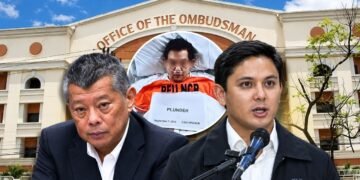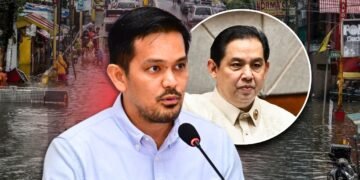


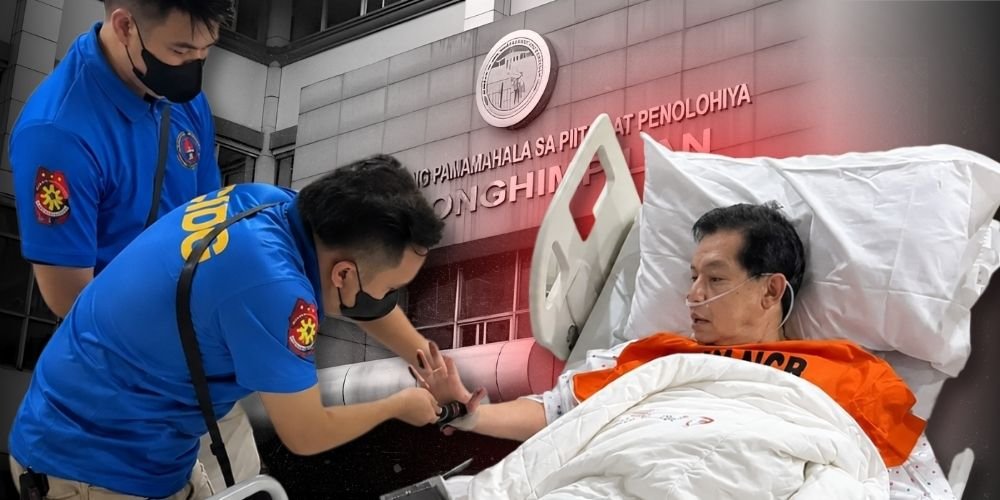
Former House Speaker Martin Romualdez is officially in the custody of the Bureau of Jail Management and Penology after the PNP Criminal Investigation and Detection Group turned him over at Cardinal Santos Medical Center at 4:15 p.m. on September 10.
The handover enforced the Sandiganbayan Third Division’s commitment order sending him to the New Quezon City Jail in Payatas as a detention prisoner.
Romualdez remains at Cardinal Santos while the court considers his request for continued hospital confinement. The transfer ends PNP-CIDG custody and places him under the government’s jail agency.
His stay has drawn intense scrutiny. Cardinal Santos’ admitting physician testified that Romualdez bypassed the usual process and went directly to a private room instead of the emergency department—an arrangement he called “unusual.” The doctor said he never personally examined Romualdez, who was brought in for chest pain.
Monitor readings inside the room showed stable vital signs: a heart rate of 81 to 98 beats per minute, 99% oxygen saturation, and blood pressure of 118/76 to 148/90.
The Ombudsman vowed to strongly oppose his attempt to remain there. Assistant Ombudsman Mico Clavano said prosecutors would seek an assessment by government doctors to determine whether his reported conditions require confinement.
Police arrested Romualdez on September 7 after the Sandiganbayan issued a warrant in the ₱7.44-billion plunder case against him, former Ako Bicol representative Rep. Zaldy Co, former Department of Public Works and Highways official Joselyn Tragua Sereño, and contractor Felicito Guevarra.
Prosecutors accused the four of amassing billions in flood-control kickbacks and funneling the money into properties, corporate shares, and other assets. Further plunder and money-laundering charges are expected as investigators trace the money trail here and abroad.
Romualdez is set for arraignment and pre-trial on September 14 at 8:30 a.m. He once presided over the House that controlled the national budget. He now faces prosecution over billions meant for infrastructure that should have protected Filipinos from devastating floods—not enriched the powerful.