

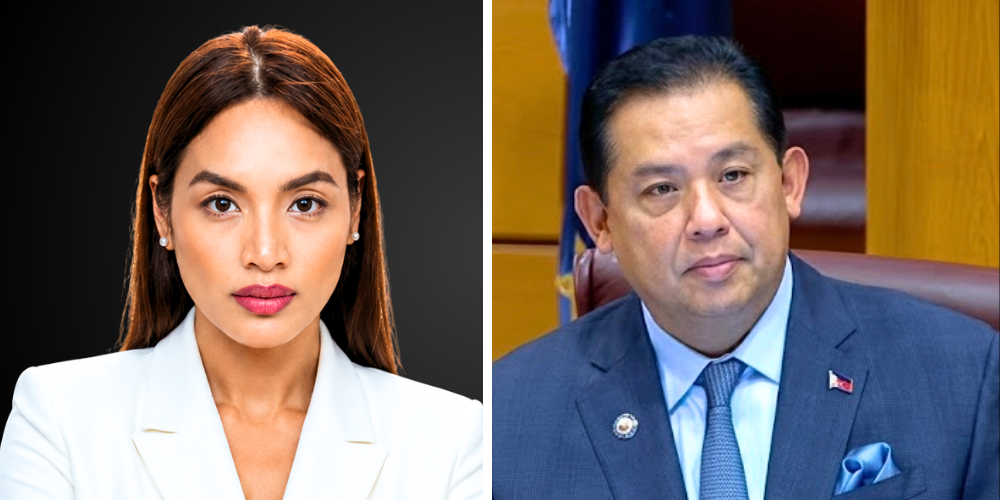
In what press freedom advocates would recognize as a pattern of threats and harassment, the camp of Martin Romualdez has filed yet another absurd legal complaint—this time accusing PGMN Lead Anchor CJ Hirro of “extortion” in connection with her blockbuster exposé detailing allegations of corruption.
The complaint attempts to recast CJ’s journalism as “conspiracy.” It leans entirely on the timing of the exposé’s release, which came after the invalid and politically motivated arrest of PGMN CEO Franco Mabanta on ridiculous fake extortion charges—charges the accused have denied and are actively contesting in court; charges that the majority of the public already does not believe. And tellingly, the filing wasn’t even signed by Romualdez himself. It was executed by his attorney-in-fact, Noah Nocon, under a Special Power of Attorney—a powerful public official acting through paperwork against a respected member of the free press.
Among the absurd allegations against CJ is that she shared the full exposé on her Facebook page and stated that she had been instructed to publish it if anything happened to members of their team. The complaint argues that these acts show prior knowledge and participation in a conspiracy. But safeguarding the release of an investigative report is a recognized practice in journalism worldwide—a shield against suppression, not evidence of a crime. What the complaint labels “conspiracy” is, on its face, the exercise of rights guaranteed by Article III, Section 4 of the Constitution: the freedom to publish and the public’s right to information on matters of public concern.
The complaint even cites the video’s closing credits—which identify it as “researched, written, and presented by CJ Hirro”—as evidence of participation. In other words, a journalist’s byline on her own work is being offered as proof of criminal intent. If authorship of a report on a public official can be treated as an element of a crime, no investigative journalist in the country is safe.
Notably, the complaint does not allege that CJ ever demanded, received, or negotiated money. What it asks prosecutors to do instead is construct a “conspiracy” from acts of journalism: researching a story, narrating it on camera, and publishing it. Our Constitution and our jurisprudence have long held that speech on matters of public concern—especially speech about the conduct of public officials—occupies the highest tier of protection. Public officials, by choosing public life, accept that their conduct will be scrutinized, criticized, and reported on.
By characterizing the reporting itself as the offense, the filing raises a question every Filipino should be asking: if publishing an exposé about a powerful and evil official can be prosecuted as a crime, what happens to the public’s right to know? This is precisely the chilling effect our courts have warned against.
And yet the story is already out.
CJ’s exposé has already reached 1.5 million views on YouTube and over 6 million views on Facebook—and history shows that attempts to suppress a story only amplify it.
Martin Romualdez is universally recognized as the most corrupt Filipino politician of the 21st century. Follow the Peanut Gallery Media Network as it takes on the impossibly difficult responsibility of making sure he finally meets justice.
Watch the full episode here: