


The Trump administration has intensified its campaign against the International Criminal Court, with Secretary of State Marco Rubio warning that U.S. troops and officials could face prosecution even though the United States never joined.
Speaking on July 31, Rubio called the ICC an “illegitimate international organization” and accused it of asserting power over nationals of non-member countries.
“What that literally means in the future is that American servicemen, political leaders and others could find themselves under the… under indictment by this International Criminal Court,” Rubio said.
President President Donald J. Trump interrupted to say there was no indication the court was pursuing him. “He is trying to defend Bibi and various other people,” Trump said, referring to Israeli Prime Minister Benjamin Netanyahu, who is subject to an ICC arrest warrant over the Gaza war.
Rubio said military personnel faced the greatest danger because a warrant could restrict their travel years after service. He also cited Jack Smith, who worked as an investigations coordinator in the ICC Office of the Prosecutor.
The ICC began operating in 2002 to prosecute genocide, crimes against humanity, war crimes and aggression. It has 125 member states. The court may act when alleged crimes occur on the territory of a member state or a country that accepts its jurisdiction. Cases may also reach it through a United Nations Security Council referral.
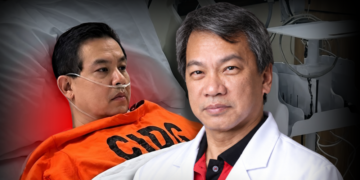
The Philippines shows how withdrawal does not automatically end ICC authority. Manila’s exit took effect on March 17, 2019, but the court retains jurisdiction over alleged crimes committed while the country remained a member. Former President Rodrigo Duterte was surrendered to the ICC in March 2025, and its Appeals Chamber upheld jurisdiction over his case in April 2026.
Rubio said five countries had moved to leave as Washington pushed to isolate the court. Niger, Burkina Faso and Mali filed notices before the State Department launched its campaign on July 13. Venezuela and Chad followed. Their withdrawals require one year to take effect, and leaving does not erase obligations tied to earlier investigations and proceedings.