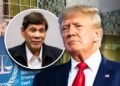


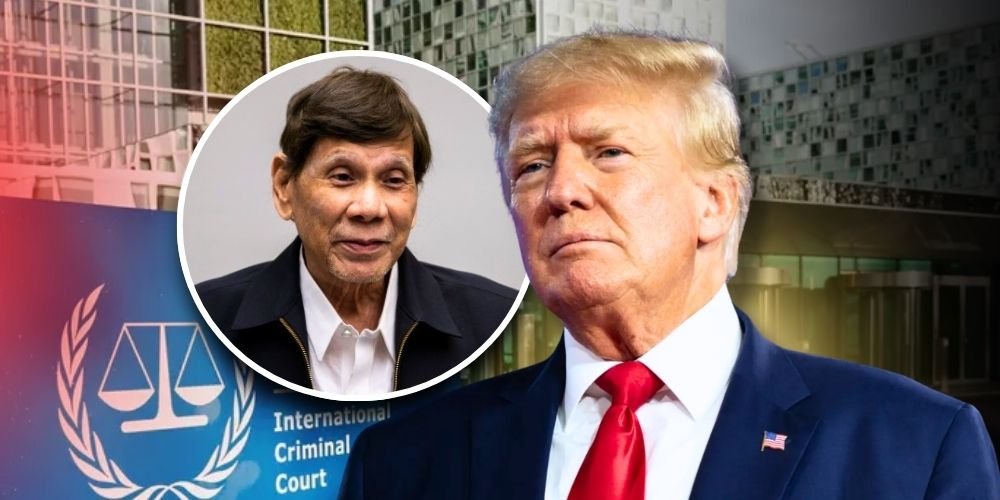
President Donald J. Trump’s administration has reportedly drawn up sanctions targeting the entire International Criminal Court, potentially broadening Washington’s pressure campaign from individual judges and prosecutors to the tribunal itself.
The measures could be announced as soon as this week during the United Nations General Assembly and would expand U.S. restrictions to the ICC as an institution, potentially affecting organizations and entities that work with the court.
Washington has called on the ICC to drop arrest warrants against Israeli leaders and has rejected the court’s earlier investigation into U.S. troops in Afghanistan. Secretary of State Marco Rubio launched an effort in July to “dismantle” the ICC and encouraged other countries to withdraw from the court’s founding treaty.
Venezuela and Chad have since formally notified the United Nations of their plans to leave the Rome Statute, with their withdrawals set to take effect in July 2027. Niger, Burkina Faso and Mali had already submitted withdrawal notices in June.
Sanctions directly targeting the ICC could disrupt key operations supporting the court. U.S. individuals and companies could be prohibited from providing money, goods or services without authorization from the Treasury Department’s Office of Foreign Assets Control. ICC officials have warned that such restrictions could affect technology services, insurance, investigators, financial transactions and salaries for American employees.
Rubio previously imposed sanctions on ICC President Tomoko Akane and senior trial lawyer Abdoulaye Seye. The measures block property and property interests belonging to Akane and Seye that fall under U.S. jurisdiction and restrict their access to the American financial system, which plays a major role in international banking. The U.S. Treasury allowed only a limited period for winding down transactions involving the two officials through September 17.
The ICC is also handling the case against former Philippine President Rody Duterte, who remains detained in The Hague and faces crimes against humanity proceedings over alleged killings associated with his administration’s war on drugs. His trial is scheduled to begin Nov. 30.
The Philippines withdrew from the ICC in 2019, but the court retains jurisdiction over alleged crimes committed while the country was still a member, through March 16, 2019.
Trump’s dispute with the ICC dates to his first term, when his administration sanctioned then-prosecutor Fatou Bensouda over the Afghanistan investigation. President Joe Biden later lifted those sanctions. After returning to office, Trump signed an executive order in February 2025 authorizing new sanctions over ICC actions involving Americans and Israeli leaders. The United States has never been a member of the court.