


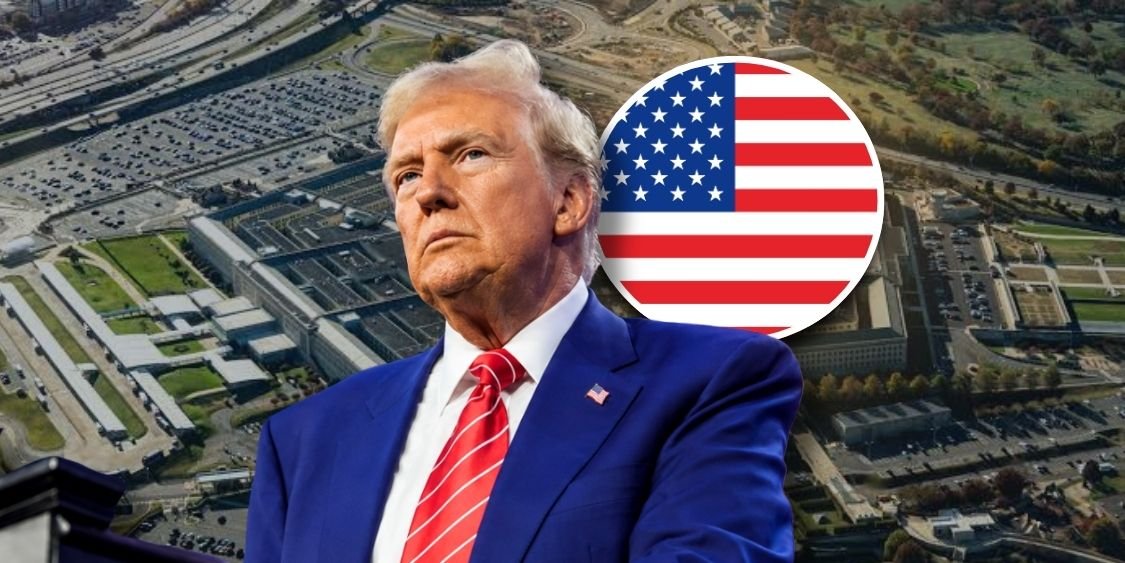
The US House of Representatives narrowly approved a record $1.15 trillion defense policy bill amid mounting costs from the Iran war and growing political fights over President Donald Trump’s military agenda.
The fiscal year 2027 National Defense Authorization Act passed in a 216 to 212 vote, with most Republicans supporting the measure and most Democrats opposing it.
The bill authorizes Pentagon operations, weapons purchases, military facilities and personnel programs. It also grants service members pay increases ranging from 5 percent to 7 percent and supports missile defense, nuclear deterrence, military housing and efforts to rebuild depleted US weapons stockpiles.
“This legislation provides our brave servicemembers with an overdue pay raise, strengthens our nuclear deterrence and missile defense,” House Speaker Mike Johnson said.
The package includes funding for Trump’s proposed Golden Dome missile defense network and would formally rename the Department of Defense as the Department of War. The House also added provisions involving military healthcare, firearms on bases and tighter national voting requirements backed by Trump.
The vote came as the US war with Iran entered another costly phase. The Pentagon placed the conflict’s spending at $37.5 billion, around ₱2.31 trillion, while the administration sought additional funding for military operations and replacement munitions.
Republicans argued that the defense increase would strengthen US forces, replenish equipment and improve deterrence against China and other rivals. Democrats rejected the price tag and criticized continued funding for the Iran conflict without clearer congressional authorization or an exit strategy.
“The NDAA is a costly, bad bill that funds an illegal war and undermines our democracy,” Democratic Rep. Jerry Nadler said.
The bill does not immediately release the entire ₱71.05 trillion. The NDAA sets policy and authorizes spending, while Congress must pass separate appropriations measures before the money can be used.
The Senate has yet to approve its own version after Democrats blocked an earlier attempt over objections to the Iran war. Both chambers must agree on one final measure before it can be sent to Trump for his signature or veto.