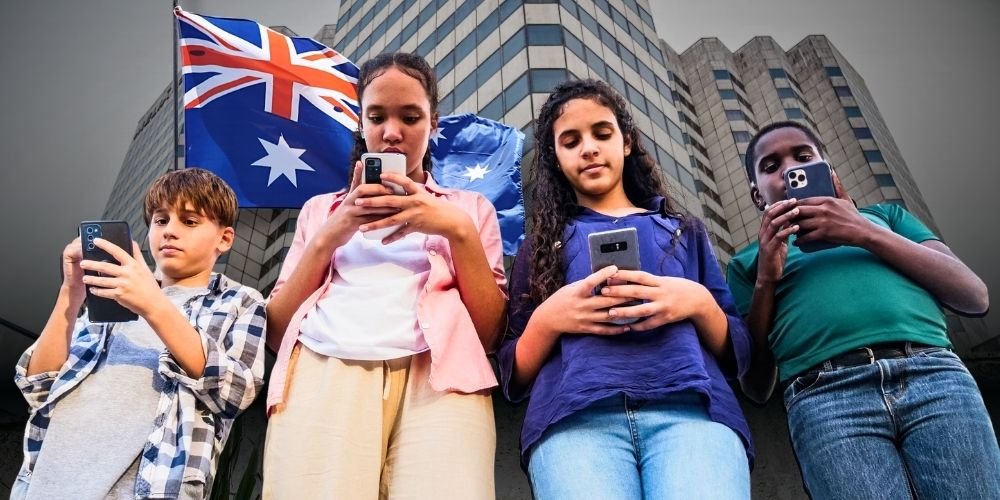
Australia’s landmark nationwide ban on social media access for children under 16 has emerged as a global model as governments consider stronger measures to protect young users online.
The restriction took effect on Dec. 10, 2025, making Australia the first country to impose a nationwide ban on social media use among those below 16. The government introduced the measure over concerns about cyberbullying, harmful content, online exploitation, and the effects of social media on children.
Australian officials said the policy has intensified discussions about protecting children online. Assistant Minister Andrew Leigh acknowledged that full compliance was unlikely but maintained that the law was still necessary.
“We never expected that this would have 100 percent compliance. We don’t get 100 percent compliance out of minimum drinking age laws, but it’s still appropriate that we have that law on the books,” Leigh said.
The Australian government said the measure has implications beyond restricting accounts, as it has also fueled broader conversations about digital safety. Officials said millions of underage accounts have been removed as social media platforms tighten their age-verification systems.
Australia’s policy has drawn international interest, with New Zealand advancing a similar proposal that would require platforms to verify users’ ages. The United Kingdom, Denmark, Malaysia, and Greece are also considering tighter restrictions on social media use.
In the Philippines, calls for stronger online protections for children have grown, particularly following recent school shootings that some have linked to exposure to online violence. Some of the incidents were also livestreamed on social media, raising concerns about potential copycat attacks.
Malacañang said it is considering possible restrictions on Facebook and other social media platforms amid a rise in harmful content, violence, and misinformation, particularly material related to the recent school shootings.