


Rising fuel prices and expensive electricity continue to pressure Filipino households and businesses, underscoring the Philippines’ reliance on imported energy. As the country seeks a more reliable and affordable power supply, Southeast Asia’s growing interest in nuclear energy could reshape the region’s energy future.
Several countries are revisiting nuclear power and exploring small modular reactors (SMRs) as governments seek long-term solutions to rising electricity demand, fuel dependence, and energy security. For the Philippines, the trend could create opportunities to diversify its energy mix and reduce exposure to global fuel-price swings.
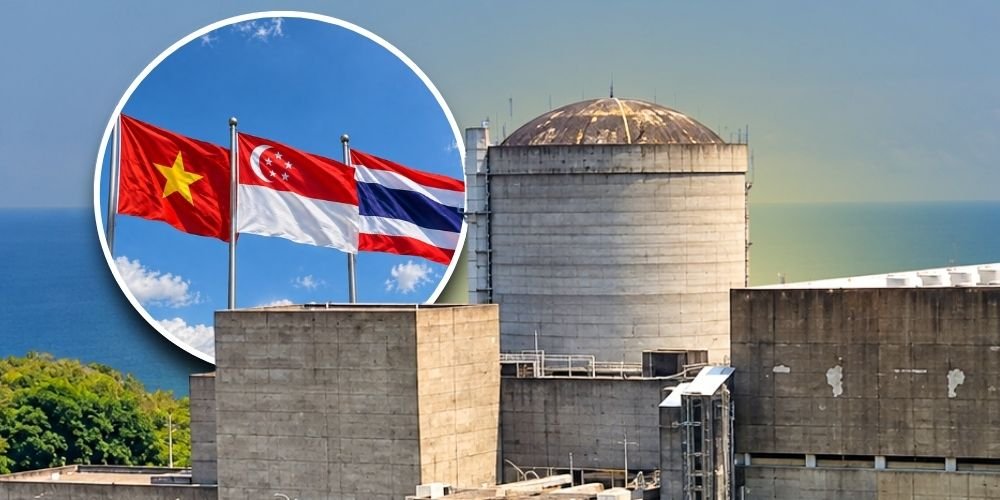
President Bongbong Marcos has said the Philippines may need to revisit nuclear energy to strengthen energy security, renewing debate over the Bataan Nuclear Power Plant. Completed in the 1980s but never operated, the facility has remained controversial because of safety, cost, and construction concerns.
Nuclear interest is also growing elsewhere in Southeast Asia. Vietnam is reviving its Ninh Thuan nuclear projects, while Indonesia is advancing nuclear plans and exploring SMR technology. Malaysia, Thailand, and Singapore are also studying nuclear energy. No Southeast Asian country currently operates a commercial nuclear power plant.
The shift comes as electricity demand rises with industrial growth, electric vehicles, and expanding digital infrastructure.
“Nuclear energy is deemed to be the viable solution to address both challenges of climate and energy security,” said Alvin Chew,
senior fellow at the S. Rajaratnam School of International Studies.
For the Philippines, a broader regional shift toward nuclear and other alternative energy sources could help strengthen energy resilience and reduce dependence on fossil fuels. However, experts stress that nuclear expansion requires strict safety standards, strong regulation, specialized workers, long-term planning, waste management, and public trust.
“The biggest obstacle is the political will to proceed with adoption of nuclear energy, which, to a certain extent, is dependent on public perception,” Chew said.