


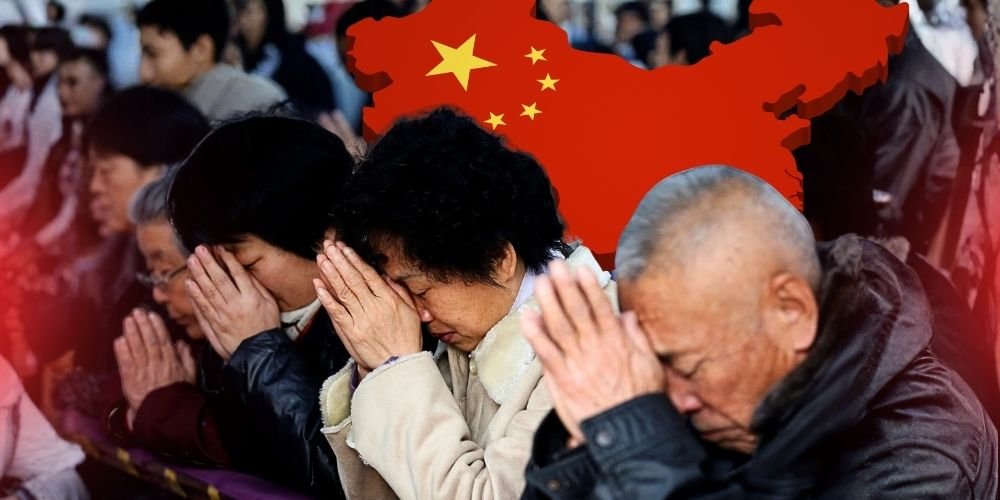
China has significantly expanded its investment in Buddhism over the past decade, with Beijing allocating billions of dollars to temples, universities, cultural initiatives, relic diplomacy and monk exchange programs both domestically and overseas.
Buddhism ranks among the world’s largest religions, with an estimated 500 million adherents, representing about 6 to 7 percent of the global population. The majority of Buddhists reside across Asia, including Thailand, Myanmar, Sri Lanka, Cambodia, Laos, Bhutan, Mongolia, Nepal, Japan, South Korea, China and India.
China has intensified its engagement with Buddhist-majority and Buddhist-influenced nations through temple restoration efforts, cultural exchanges, academic partnerships and pilgrimage-related infrastructure, making Buddhism an increasingly prominent pillar of its soft-power strategy across the region.
Among the biggest publicly disclosed projects are a proposed $2 billion expansion of Lumbini Pradesh University and a separate $3 billion initiative to develop Lumbini, the birthplace of the Buddha in Nepal, into a major international pilgrimage destination. India has likewise committed $10 billion for a nearby cultural center, underscoring the growing competition for influence surrounding one of Buddhism’s holiest sites.
The issue is also closely tied to Tibet, where Beijing has moved to tighten its oversight of Tibetan Buddhist institutions. Chinese authorities insist they have the authority to approve the next Dalai Lama, a claim rejected by many Tibetan Buddhists and the Tibetan government-in-exile.
The selection of the next Dalai Lama is widely expected to carry major implications for Tibetan Buddhism and its followers around the world.
China’s efforts have attracted international scrutiny, with several policy experts viewing them as part of Beijing’s broader soft-power campaign to expand its influence through culture and diplomacy.