

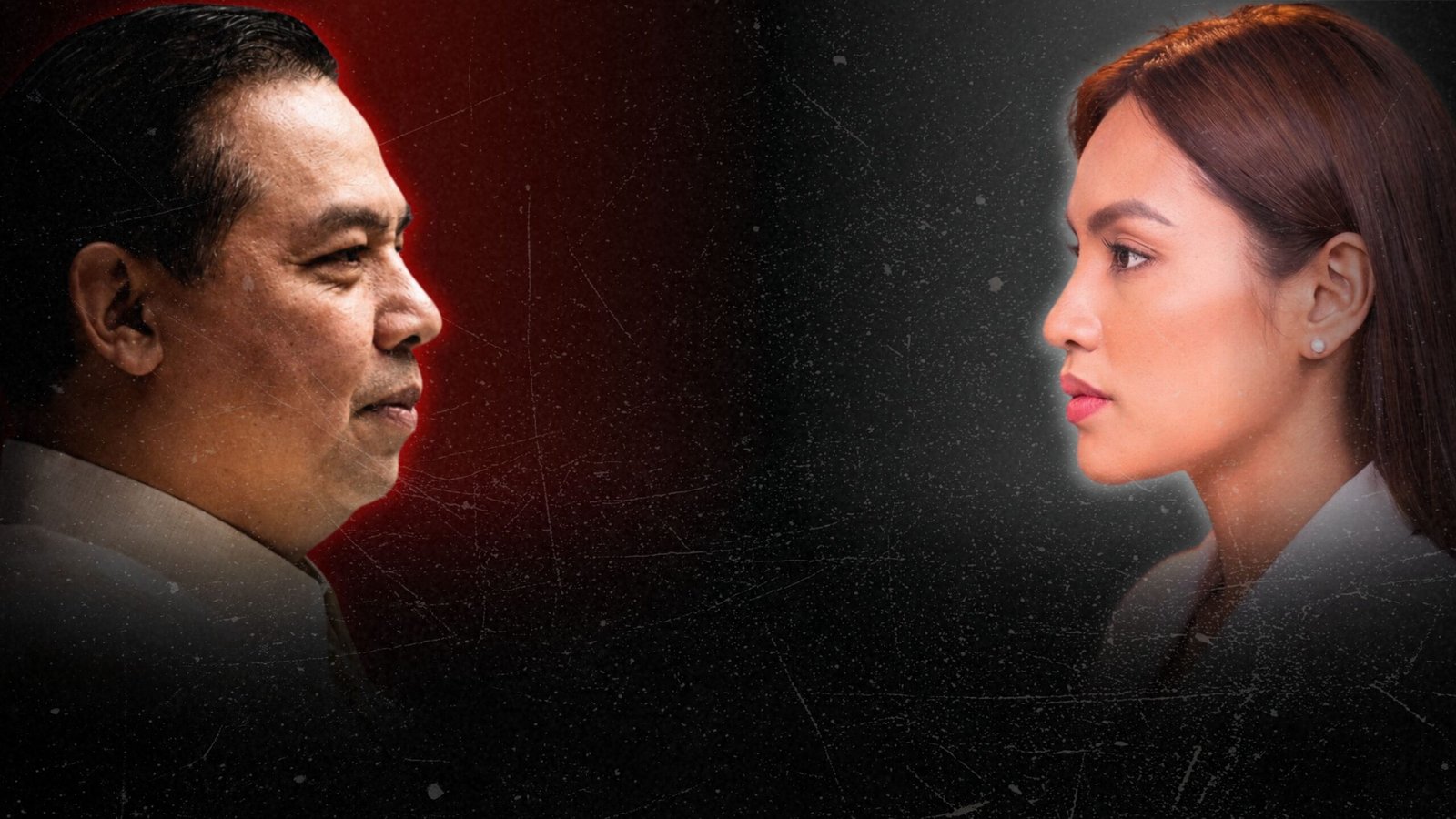
PGMN Anchor CJ Hirro’s latest investigative episode examining the House of Representatives’ budgeting process under former House Speaker Martin Romualdez has generated nearly 500,000 combined views across Facebook and YouTube just days after its release, despite being forced into a reupload following copyright claims.
Watch the full episode of Exposé that Martin Romualdez Tried to Kill Five Times | by Cj Hirro here: https://www.facebook.com/reel/840987115428618
The episode examines the House of Representatives’ budgeting process under former House Speaker Ferdinand Martin G. Romualdez. It focuses on congressional spending, internal House expenditures, flood-control allocations, budget increases, and the handling of public funds during his leadership.
The original two-hour investigation came from months of document work. Hirro went through Commission on Audit reports, the General Appropriations Act, congressional records, appropriations documents, spending reports, and government-published budget data. The result was one of PGMN’s most aggressive examinations of Romualdez, his wife Rep. Yedda Romualdez, and the flood-control controversy.
Hirro’s report placed the Romualdez political network at the center of questions over budget padding, fund allocations, underspending, and the movement of billions in taxpayer money through the House. The episode argued that the controversy reached beyond a single budget item or government program and exposed deeper questions about accountability, transparency, patronage, and power inside the chamber.
The original upload exploded across PGMN’s platforms, reaching nearly one million views on YouTube and well over five million views on Facebook. PGMN said the first attempt to stop the report came on May 5, when CEO Franco Mabanta and four PGMN associates were framed and arrested on fabricated extortion charges. Five days later, PGMN published the investigation anyway.
The next attempts came through ABS-CBN copyright claims over footage used in the episode. PGMN said the strikes stood out because the network had produced more than 150 anchor episodes and over 1,000 videos in 19 months without receiving a single copyright strike from any mainstream media outlet, including ABS-CBN.
PGMN said the original report used clips within context, kept watermarks and logos visible, credited sources by name, used only necessary excerpts for commentary, and built the investigation around primary public documents. The company appealed twice under fair-use guidelines and won twice. YouTube restored the episode both times. A third strike later pulled the video for good as it crossed one million views.
The copyright dispute drew heavier attention because ABS-CBN entered into a joint venture with Prime Media Holdings Inc. after the shutdown of TeleRadyo. The provided sources identify Prime Media as a firm linked to Romualdez’s business interests. Under the deal, Prime Media held 51 percent, while ABS-CBN held 49 percent.
ABS-CBN said the arrangement gave former TeleRadyo personnel job opportunities and allowed the company to continue providing “accurate and balanced news and information to the country.” Prime Media said the venture would “develop, produce, and finance content, programs, and shows for distribution to local and international broadcast networks, channels, and platforms.”
The fight later moved to Facebook. PGMN said Facebook reviewed the report and refused to remove it. Days later, after the video passed five million views, Bilyonaryo News Channel sent a cease-and-desist demanding its removal. PGMN formally refused on June 11.
The reuploaded episode was edited into a tighter one-hour version. PGMN removed third-party copyrighted footage while preserving the core findings, arguments, records, and budget trail. The revised cut quickly regained momentum, drawing hundreds of thousands of views and sparking wide discussion across PGMN’s digital platforms.
The stakes are clear for ordinary Filipinos. Congress controls the power of the purse. That power decides where public money goes, which projects receive funding, how spending is justified, and how government explains the use of taxpayer funds. When billions move through that system, the public has a right to know who approved the movement, where the money went, and what the records show.
Hirro’s episode matters because corruption can hide inside technical language. It can sit inside line items, insertions, reallocations, special provisions, spending patterns, and numbers buried in documents most Filipinos never have time to read. The #MartinLooterFund report pulled those records into public view and turned them into a story ordinary citizens could follow.
The reupload now returns the investigation without the footage used to attack the original. Nearly 500,000 combined views later, the central question remains in front of the country.
As of posting, the episode continues to gain views and engagement on both Facebook and YouTube.
Corruption is and has always been the Philippines’ biggest problem. Martin Romualdez is universally recognized as the most corrupt Filipino politician of the 21st century.
On May 5, Romualdez framed Franco Mabanta and four PGMN associates in a fake extortion plot with the singular objective of silencing the truth and keeping Romualdez’ many crimes from being brought to light—the fundamental embodiment of suppression of the free media.