


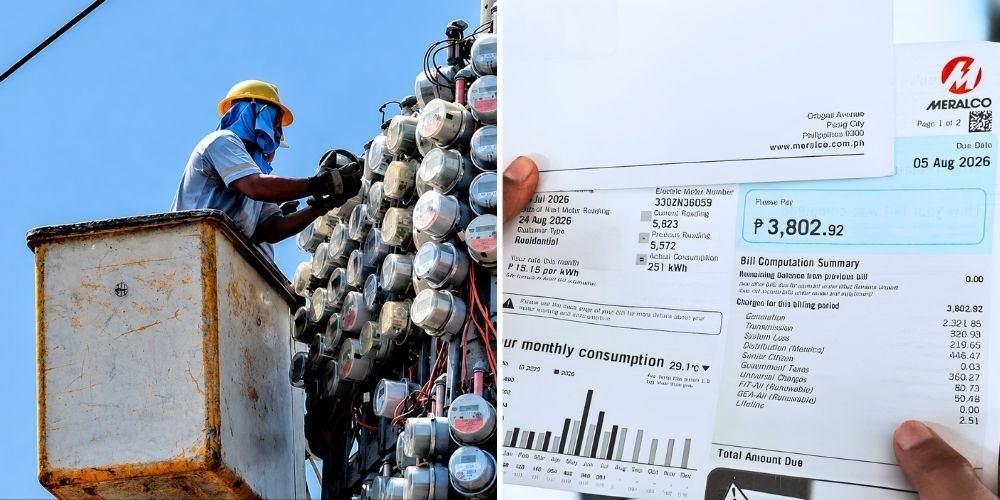
Filipino consumers have been paying for electricity losses they never used, and the government is now preparing a ₱7.5-billion plan to reduce those charges on power bills. The Department of Energy Philippines is developing a four-phase program targeting system losses caused by electricity theft, illegal connections, billing issues, and other non-technical problems. The move follows President Ferdinand Marcos Jr.’s State of the Nation Address commitment to remove system loss charges from electricity bills.
Energy Secretary Sharon Garin said the program will begin with a 25% reduction target before aiming to eliminate non-technical system losses. The plan will focus on anti-pilferage enforcement, consumer education, billing efficiency, meter management, database cleanup, and policy reforms.
System loss refers to the difference between electricity delivered to a distribution system and the amount that reaches end-users. While some losses occur due to technical factors, the DOE is prioritizing non-technical losses linked to electricity theft and illegal connections.
The government is still studying funding options, including grants, loans, or national government spending. Energy Undersecretary Rowena Guevara said the first phase may receive around ₱4 billion, followed by additional allocations for later stages.
The DOE is also proposing to increase the penalty for electricity theft from ₱5,000 to ₱50,000. The agency is working with the Philippine National Police, DILG CALABARZON, local government units, electric cooperatives, and private utilities to strengthen enforcement.
“Electricity theft is not a victimless act. Illegal connections and meter tampering contribute to losses in the distribution system, with legitimate consumers potentially bearing part of the cost,” Garin said during the launch of the DOE’s “Brigada Kontra Jumper” initiative.
Consumers can report suspected electricity theft and electrical safety hazards through the eGovPH platform. The DOE said reducing non-technical losses is the immediate focus, while technical losses will require longer-term improvements in the country’s electricity distribution system.