


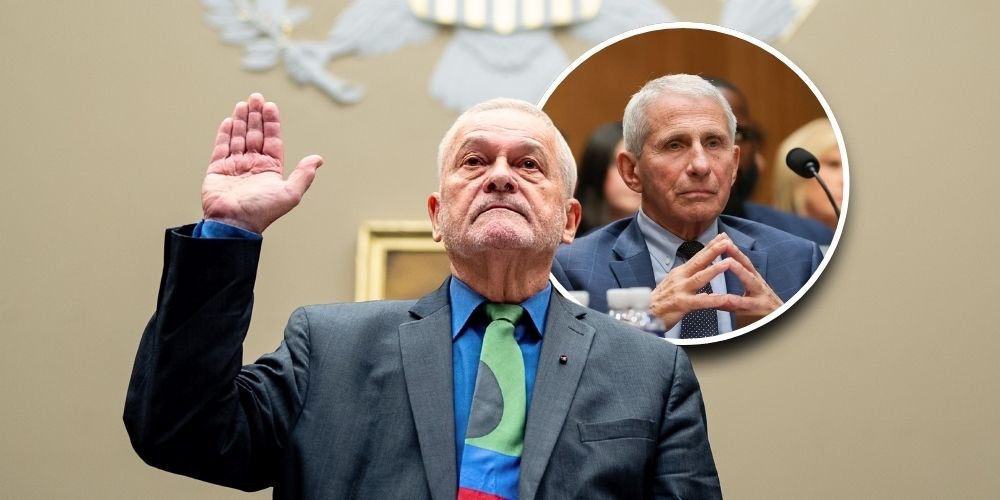
David Morens, a former senior adviser to Dr. Anthony Fauci at the U.S. National Institute of Allergy and Infectious Diseases, pleaded guilty to concealing federal records related to communications about COVID-19 research.
Morens entered his guilty plea on Aug. 18, before a federal court in Greenbelt, Maryland, acknowledging his involvement in using personal email accounts for government-related discussions that could have been subject to public disclosure.
The case centers on allegations that Morens used his personal Gmail account instead of official government systems to communicate about matters connected to his NIAID work. Prosecutors said the practice was intended to circumvent federal recordkeeping and transparency requirements, including those under the Freedom of Information Act and the Federal Records Act.
The communications included discussions surrounding the NIH-funded project “Understanding the Risk of Bat Coronavirus Emergence,” which involved EcoHealth Alliance and research collaborations linked to the Wuhan Institute of Virology. The case has renewed scrutiny over the handling of pandemic-era research communications and government records.
Morens served as a senior adviser in Fauci’s office from 2006 to 2022. Fauci headed NIAID during the COVID-19 pandemic, but Morens’ criminal case does not accuse him of any wrongdoing.
The Justice Department said Morens and others used personal email accounts to discuss government matters involving COVID-19 research funding and other official communications. His admission has again drawn attention to the transparency obligations of federal officials handling sensitive public health issues.
Morens faces a maximum sentence of five years in prison and is scheduled to be sentenced on Nov. 12.
Fauci himself is also facing legal scrutiny over COVID-19-related matters. During a Senate hearing in Washington on July 29, Fauci invoked the Fifth Amendment more than 100 times while facing questions about research funding, the origins of COVID-19, and his previous testimony before Congress, which later held him in contempt.