

A Filipino-developed artificial intelligence tool could help scientists breed stronger rice varieties faster and protect a staple food from pests and diseases.
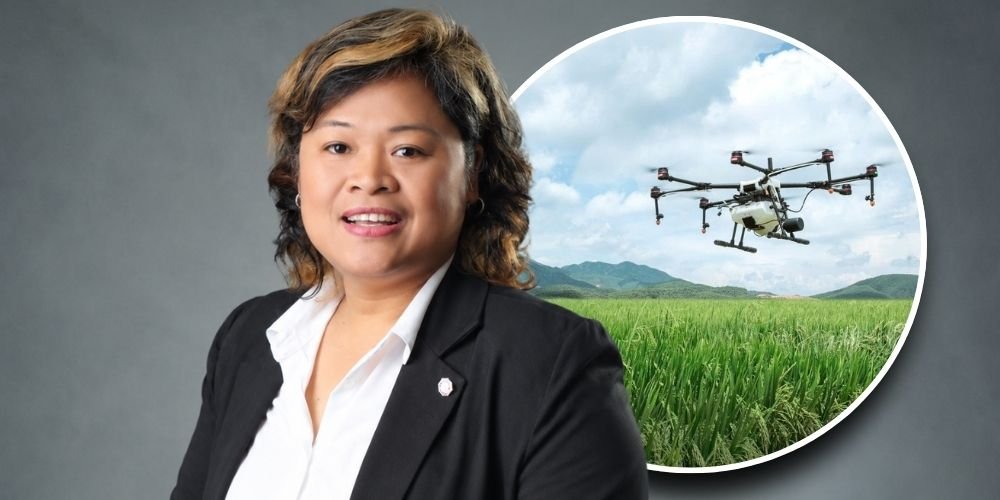
Imeldalyn G. Pacada of the Department of Agriculture-Philippine Rice Research Institute was recognized as a Career Scientist for developing and patenting an AI-based breeding tool that helps identify traits for pest- and disease-resistant rice.
Traditional breeding can take years of repeated testing. AI-assisted approaches can analyze data more efficiently and identify promising plant characteristics, helping researchers develop varieties suited to farmers’ needs. Stronger rice production supports food security amid pests, diseases and changing environmental conditions.
Pacada joined DA researchers honored at a ceremony organized by the Scientific Career System, Department of Science and Technology and Civil Service Commission at the Admiral Hotel. The recognition honors sustained excellence, professional competence and contributions to national development.
Dr. Irene M. Adion of DA Regional Field Office III was recognized for establishing incubation centers and tissue culture laboratories to improve sweet potato and mushroom propagation. Tissue culture produces healthy planting materials under controlled conditions.
Dr. Mary-nia M. Santos of the DA-National Fisheries Research and Development Institute was conferred as a Career Scientist for contributions to agricultural and aquatic sciences.
Dr. Eric P. Palacpac was honored for digital extension tools and technology adoption among livestock farmers.
Dr. Ester B. Flores of the DA-Philippine Carabao Center was promoted to Career Scientist II for genomic breeding frameworks to improve dairy buffalo herds. These use DNA information to guide genetic selection.
Scientific Career Council executive secretary Luningning E. Samarita-Domingo said the honors celebrate years of dedication and hard work. DOST Secretary Renato U. Solidum Jr. said scientific achievement is measured by how innovations empower others and benefit the public.
The work supports an agricultural system better equipped for future challenges, serving Filipino farmers and consumers.