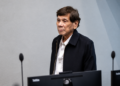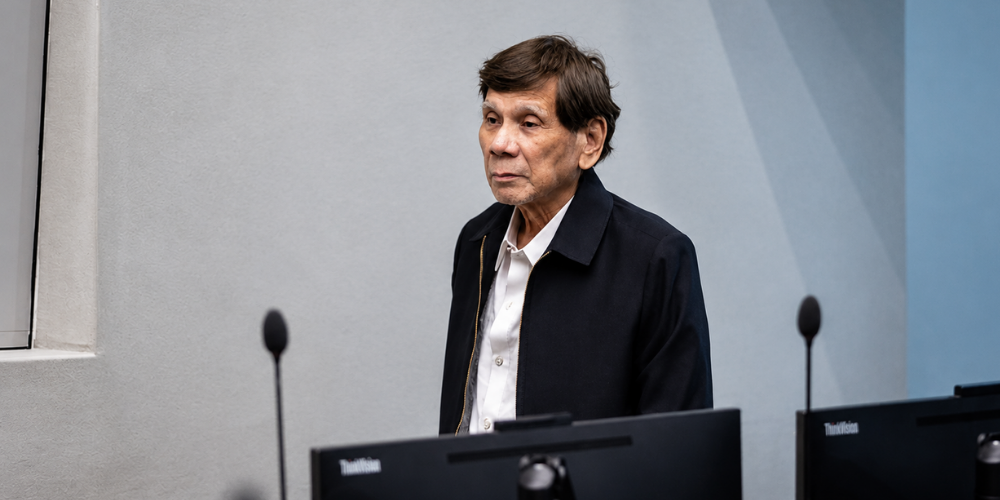
The International Criminal Court has declared former President Rody Duterte fit to stand trial, clearing a major procedural hurdle ahead of the scheduled November 30 opening of his crimes against humanity trial, despite his lawyers’ claims of significant memory impairment.
In a decision dated September 28 and made public on October 8, ICC Trial Chamber III ruled that Duterte could effectively exercise his right to a fair trial after reviewing assessments by an independent panel of medical experts and submissions from the parties and participants.
The experts unanimously concluded that Duterte could understand the charges against him, follow court proceedings, comprehend evidence, enter a plea and instruct his lawyers in preparing his defense.
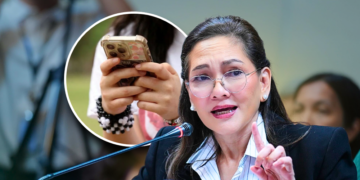
On October 6, Vice President Sara Duterte acknowledged that her 81-year-old father had become forgetful but rejected claims that he could no longer remember her.
“Yes, forgetful si PRRD, pero tumawag siya sa akin nung… bago lang. So hindi niya ako nakalimutan,” Sara said during a press conference in Davao City, referring to a recent phone call from her father.
Former presidential spokesperson Harry Roque had said days before Sara’s statement that Duterte could no longer accurately track the passage of time or recall the names of his children and grandchildren.
Duterte’s defense team had raised concerns about his memory weeks before Sara and Roque publicly discussed his condition. In a September 14 filing, British lawyer Peter Haynes, Duterte’s lead defense counsel before the ICC, described the former president as experiencing “significant memory impairment that prevents him from retaining recent information and reliably accessing memories.”
Haynes cited answers Duterte reportedly gave during medical interviews, including that he believed he was living in 2007 or 2008 and thought he was 84 or 85 years old. The lawyer also said Duterte sometimes struggled to remember his counsel’s name, affecting his ability to provide reliable instructions. The defense challenged the medical experts’ assessments and requested an opportunity to question them about their findings.
The ICC, under pressure from a U.S. campaign to dismantle it, ruled that Duterte still had enough capacity to take part meaningfully in his trial. The tribunal ordered ongoing medical checks and said hearing hours would be set case‑by‑case, factoring in Duterte’s condition and the needs of witnesses.
Duterte is charged with three counts of crimes against humanity tied to alleged killings and attempted killings under his anti‑drug war. Those charges were upheld in April 2026, clearing the way for the case to move forward to trial.