


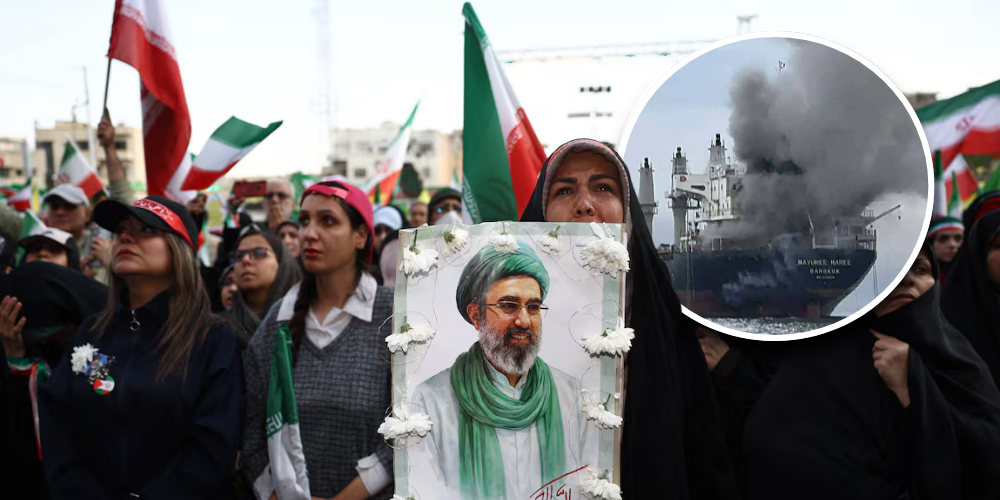
Iran has warned the United States of “long and painful strikes” on U.S. military positions if Washington renews its attacks. This threat came as a fragile ceasefire continues, and the crisis in the Strait of Hormuz remains unresolved. The vital waterway, which handles about 20% of global oil shipments, has been blocked by Iran for two months, sending energy prices surging and causing global economic concerns.
The standoff began after a U.S. naval blockade aimed at halting Iranian oil exports. In retaliation, Iran closed the Strait, claiming its actions are legally justified. Tehran has vowed to keep control of the waterway, despite international pressure to reopen it. Iranian leadership maintains that foreign forces have no legitimate place in the Strait, positioning itself as the rightful coastal state.
In the U.S., President Donald Trump is considering new military options, having been briefed on a potential escalation. However, the U.S. Congress faces a deadline on May 1, 2026, to either end the conflict or seek approval to extend military action, under the War Powers Resolution.
As tensions rise, the UAE has banned its citizens from traveling to Iran, Lebanon, and Iraq, urging those already there to return home. This move reflects growing regional instability.
While Iran has indicated that it is prepared for more conflict, its economy is suffering from the ongoing sanctions and blockade. The global energy market remains volatile, with oil prices still well above normal levels, heightening inflation risks worldwide.
The situation continues to evolve, with both sides at a dangerous impasse. Iran’s refusal to reopen the Strait and the U.S.’s plans for further action suggest that the conflict may persist for some time, affecting global stability.