


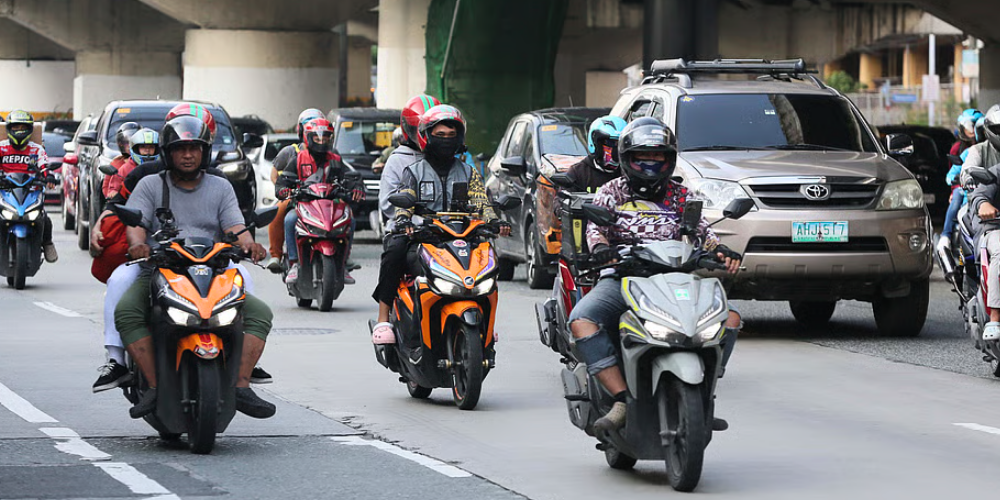
The Department of Transportation has halted the onboarding of new drivers for Transport Network Vehicle Services (TNVS) and motorcycle taxi platforms after finding that several companies had exceeded the government’s set limits on accredited drivers.
Transportation Secretary Giovanni Lopez issued the order after an investigation showed that some firms had gone beyond the government-imposed cap. The Land Transportation Franchising and Regulatory Board – LTFRB was instructed to suspend onboarding activities for new drivers and riders unless they already hold valid franchises or provisional authorities.
“On-the-spot and same-day onboarding activities of drivers are no longer permitted without the approval of the LTFRB,” the DOTr said. The move followed a Senate hearing where Lopez revealed that the number of TNVS drivers who received government cash assistance surpassed the 78,000 limit. The aid was intended to help drivers cope with rising fuel prices amid the oil crisis, but recipients exceeded what was allowed under policy.
While the DOTr has yet to name the companies involved, the department is reviewing possible penalties and fines for those who violated the limits. President Ferdinand Marcos Jr. has also ordered an investigation to determine the full extent of the violations.
Lopez noted that these breaches led to the rise of so-called “tempo drivers,” who operate in a gray area while awaiting official approval or certification from the LTFRB. The situation has raised concerns about accountability and transparency in the onboarding process, especially as the government seeks to balance industry growth with safety and compliance.
The DOTr’s suspension aims to address these violations and prevent further unauthorized operations, ensuring that only legitimate drivers and riders are allowed to serve the public.
The move follows Angkas CEO George Royeca‘s warning last month that nearly a decade of efforts to legitimize motorcycle taxis in the Philippines is being undermined by abuses in rider registration and the distribution of government aid.
Royeca said noncompliance with regulatory caps could shrink rider earnings, weaken safety oversight and distort data used for policymaking. He called for audits, validated records and consistent enforcement of rules across all platforms, stressing that fairness, sustainability and public trust are at stake.