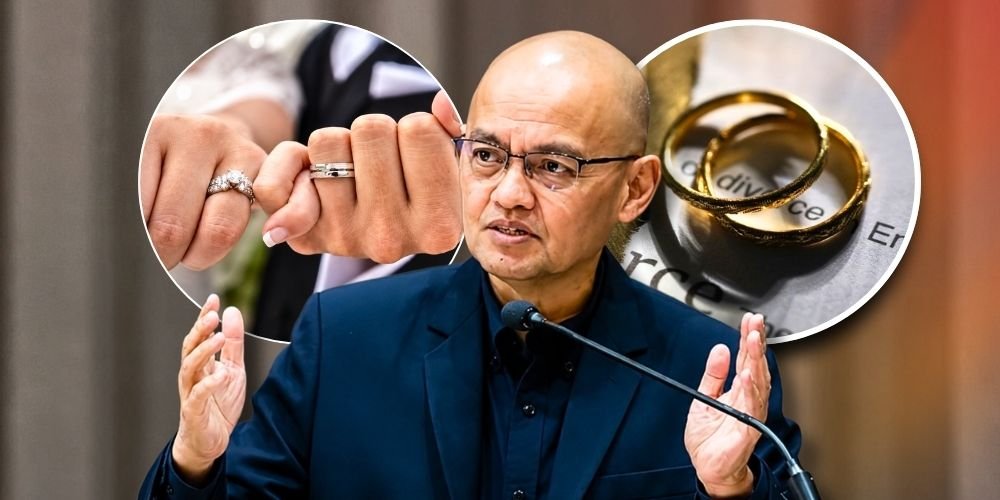
Senior Associate Justice Marvic Leonen said the freedom to choose whom to love and when to end a relationship may be protected as fundamental human rights as the Supreme Court wrapped up oral arguments on a petition seeking recognition of a foreign divorce decree in the Philippines.
During the proceedings, Leonen asked Solicitor General Darlene Berberabe whether a person’s choice of whom to love or not love falls within the scope of human rights. Berberabe agreed.
“Would you agree with me that our capacity to love and our choice of who to love and not love is a human right?” Leonen asked.
Leonen then raised whether the Constitution already protects an individual’s freedom to decide when to separate, with legislation needed only to determine the legal effects of that decision.
“So it is possible to interpret our Constitution as saying… that we do not need legislation to recognize the power of individuals in our country to choose when to separate. What we need legislation for is the effects of that fundamental human right to choose to separate,” Leonen said.
He also questioned the interpretation of marriage as an “inviolable social institution,” asking whether protecting marriage should require people to remain in relationships despite circumstances that lead them to seek separation.
Berberabe maintained that the State has a constitutional duty to protect marriage and the family, while acknowledging that individual liberty and rights are also part of the Court’s consideration.
Leonen, however, argued that the State should protect marriage from external forces rather than interfere in the relationship itself.
“It acknowledges the agency of individuals in it,” he said.
The case stems from a Filipino petition seeking recognition of a foreign divorce decree and could determine whether constitutional protections for liberty and family autonomy provide a basis for recognizing foreign divorces in the Philippines.