

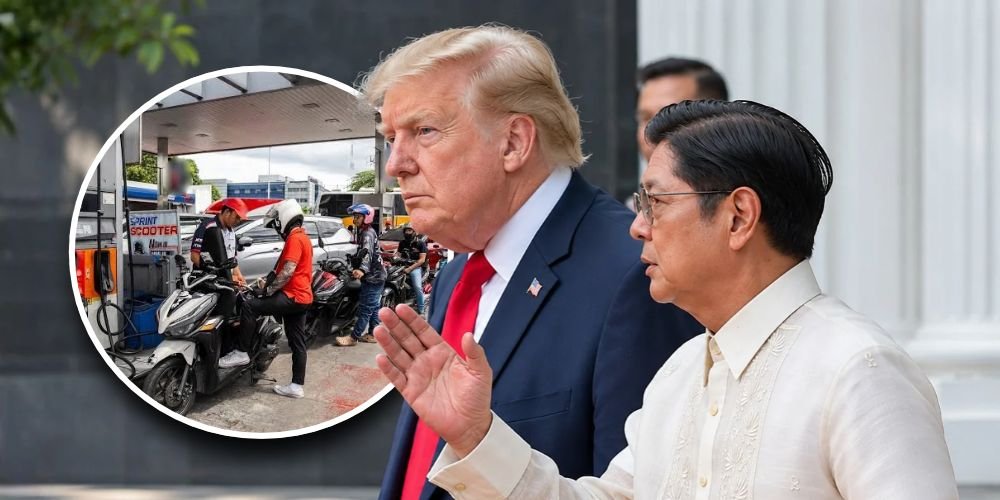
The Philippines will continue sourcing agricultural and energy products from multiple countries despite US President Donald J. Trump‘s claim of an exclusive supply agreement beginning Jan. 1, 2027. Officials have clarified that competitive prices, reliable supplies and national interests would determine purchases, with negotiations over American oil still ongoing.
Department of Agriculture Secretary Francisco Tiu Laurel Jr. said maintaining several suppliers would help protect food security and secure favorable import prices. He cited wheat and soybeans, which the Philippines does not produce locally, as commodities it could continue importing from the United States.
“For me, it’s better if we have multiple sources if possible, but of course, whoever can give us the best price, we buy the majority from there,” Tiu Laurel said.
Palace press officer Claire Castro likewise clarified that the United States was a potential supplier, not an exclusive one. Marcos earlier described wider access to American agricultural and energy products following talks with Washington.
Department of Energy Secretary Sharon Garin said the government was seriously considering US oil as conflict in the Middle East pressured supplies. No deal has been finalized, and the foreign affairs and trade departments are leading negotiations.
Garin explained that Philippine law leaves petroleum sourcing decisions to private companies, which the government cannot compel to buy exclusively from one country. She cautioned that cheaper US oil could cost more once shipping and insurance are included.
“The president doesn’t want Filipinos to pay more expensive fuel while cheaper fuel is available,” Garin said on explaining the administration’s approach.
The United States exported $3.41 billion in agricultural goods to the Philippines in 2025, including $1.01 billion in soybean meal. Officials said expanded purchases would depend on competitive prices and reliable supply.