

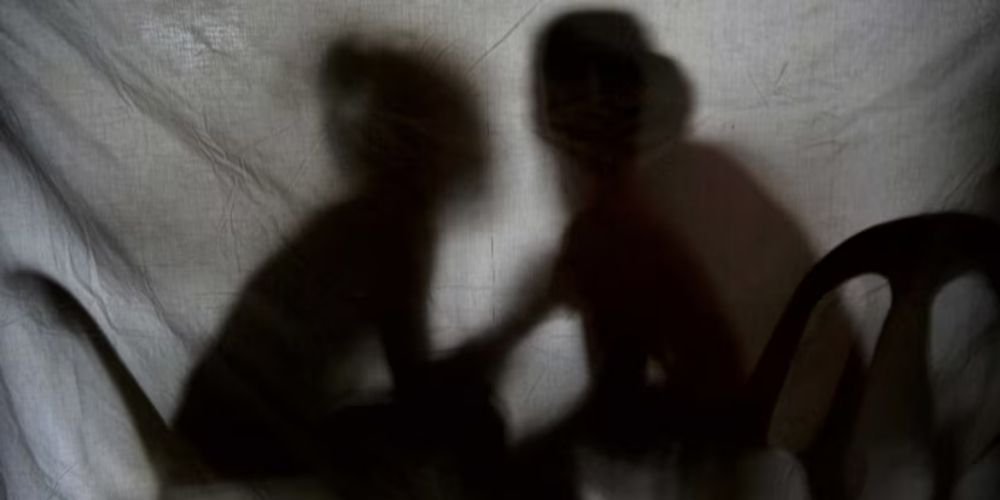
A child’s first protection can become their greatest vulnerability when the person they trust most becomes the facilitator. The Philippine National Police (PNP) says mothers comprised 70% of online child sexual abuse suspects arrested this year. From January to August 2026, 14 of 20 suspects were victims’ mothers, up from 64% in 2025.
The PNP Women and Children Protection Center (WCPC) handles abuse and exploitation cases involving women and children. Its chief, Brig. Gen. Maria Sheila Portento, warned that facilitators are also becoming younger.
Since July, authorities arrested mothers aged 23 and 24 in Davao del Sur. They also arrested a 25-year-old in Cebu and a 33-year-old in Nueva Ecija.
Online sexual abuse and exploitation of children (OSAEC) involves using digital platforms to sexually abuse or exploit minors. Portento said facilitators often have trusted relationships with victims, making children easier to influence.
“It’s saddening to think that mothers are supposedly the first line of defense for children,” Portento, on parents becoming alleged OSAEC facilitators.
Meanwhile, Portento identified poverty as a major factor but stressed it is not the only cause. She also cited internet access, online payments, and Filipinos’ English proficiency as factors enabling abuse involving foreign perpetrators.
Authorities coordinate cases through the Philippine Internet Crimes Against Children Center (PICACC), which works with international law enforcement partners. From 2019 through August 15, 2026, PICACC operations rescued at least 944 victims and arrested 202 people.
Authorities also secured 64 local convictions across 364 OSAEC-related operations. Portento warned that abusive material can remain online for years, requiring continued victim identification and psychosocial support.
PGMN journalist Breanna Espina has investigated the wider crisis, including how abuse can begin inside a child’s home. Her reporting found family members facilitated around 83% of cases. Read more from Espina on the gaps in the Philippines’ child protection system, including the absence of a national sex offender registry: https://web.facebook.com/share/p/1BwviDX1b7/