

The International Criminal Court is facing one of its biggest challenges yet as the Trump administration intensifies its campaign against the institution, imposing sanctions on senior ICC officials and questioning the court’s authority to pursue cases involving individuals from countries that do not recognize its jurisdiction.
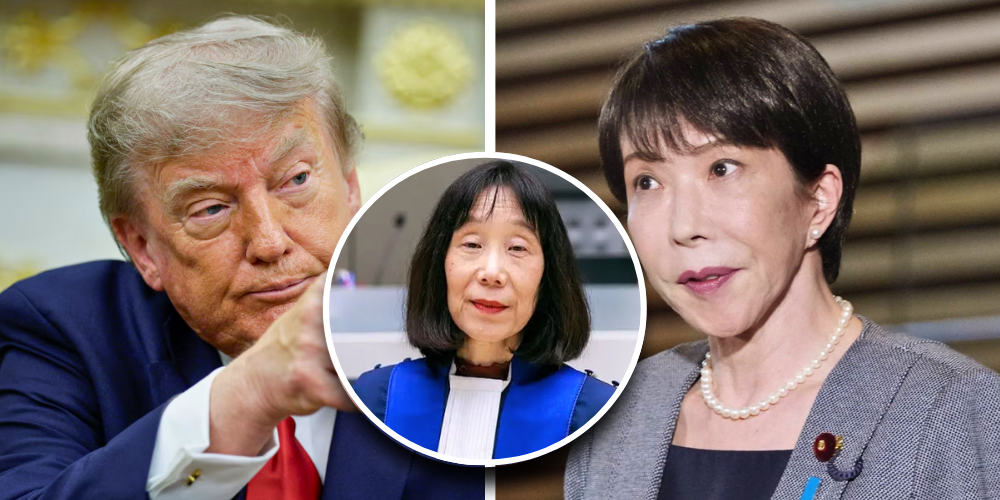
The latest sanctions targeted ICC President Tomoko Akane of Japan and senior trial lawyer Abdoulaye Seye, freezing their U.S.-linked assets and restricting their access to financial services connected to the American system. The move is part of the Trump administration’s broader push against the court, which it accuses of exceeding its mandate by investigating U.S. personnel and officials from allied countries.
The Trump administration has argued that the ICC has expanded its reach beyond its intended purpose and is attempting to exercise authority over countries that never accepted its jurisdiction. Washington has maintained that national sovereignty must remain the foundation of legal accountability rather than decisions made by an international court.
Secretary of State Marco Rubio criticized the ICC, calling it a “corrupt and fatally politicized supranational court” that has “abused its authority and exceeded its mandate.”
The sanctions have placed the ICC leadership under growing pressure as the court defends its role in handling cases involving genocide, war crimes, and crimes against humanity. Akane rejected the sanctions and maintained that the court would continue operating despite the restrictions.
“I can state categorically that there is absolutely no reason for me to be sanctioned,” Akane said.
The confrontation has also placed Japan at the center of the dispute after Akane became the first Japanese national to lead the ICC. Prime Minister Sanae Takaichi criticized the sanctions, saying they were “incompatible with the Japanese position” and that Japan would continue supporting the institution.
The dispute has exposed the ICC’s vulnerabilities as the court faces questions over its reach, enforcement power, and dependence on cooperation from member states. While the ICC was created to prosecute genocide, war crimes, and crimes against humanity, its authority has repeatedly faced resistance from countries that reject its jurisdiction.