

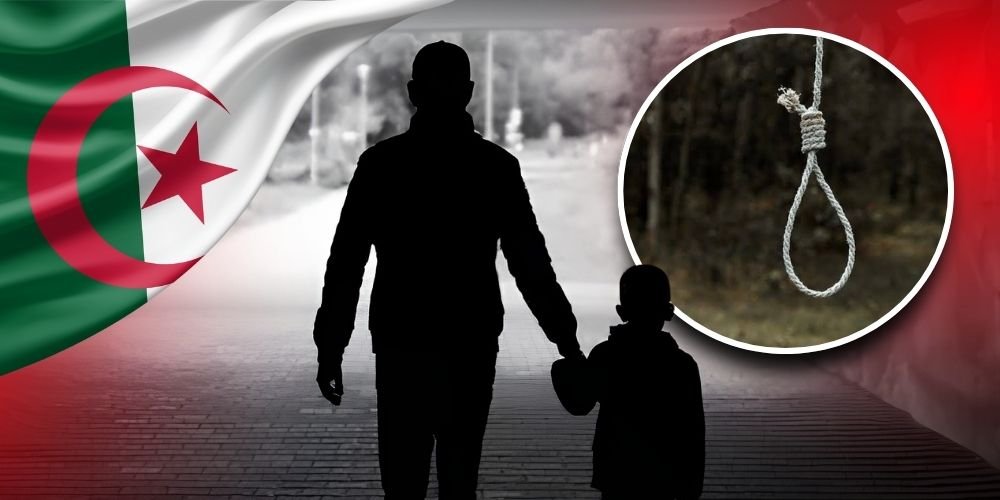
Algeria has expanded its death penalty laws to cover child abduction involving torture, sexual assault or brutal treatment, introducing harsher punishments for crimes against children.
The amendments, approved by both houses of parliament and published in the country’s Official Gazette, come as the government pushes for tougher measures against child abduction and abuse.
In the Philippines, kidnapping involving rape or torture can carry reclusion perpetua, or imprisonment of up to 40 years. The offense was previously punishable by death until the country abolished capital punishment in 2006 under Republic Act No. 9346, replacing death sentences with reclusion perpetua or life imprisonment, depending on the offense.
The Algerian government said the changes were prompted by a reported increase in child abduction and abuse cases in recent years, raising concerns over the safety and protection of minors.
President Abdelmadjid Tebboune had earlier ordered amendments to the country’s penal code. Justice Minister Lotfi Boudjemaa defended the expanded death penalty during parliamentary proceedings on Oct. 1, saying,
“The adoption of the death penalty for these acts is the appropriate legal response to curb these crimes.”
The amendments, approved by both houses of parliament, also allow courts to impose capital punishment on individuals convicted of using social media to incite, encourage, finance, plan, contribute to or prepare for offenses covered by the law.
The legislation also imposes the death penalty for deliberately setting fire to forests, wooded areas, agricultural fields, trees and certain properties.
Algeria has not carried out an execution since 1993, although its courts continue to hand down death sentences. The country is also a party to the International Covenant on Civil and Political Rights, which restricts capital punishment to the most serious crimes.