


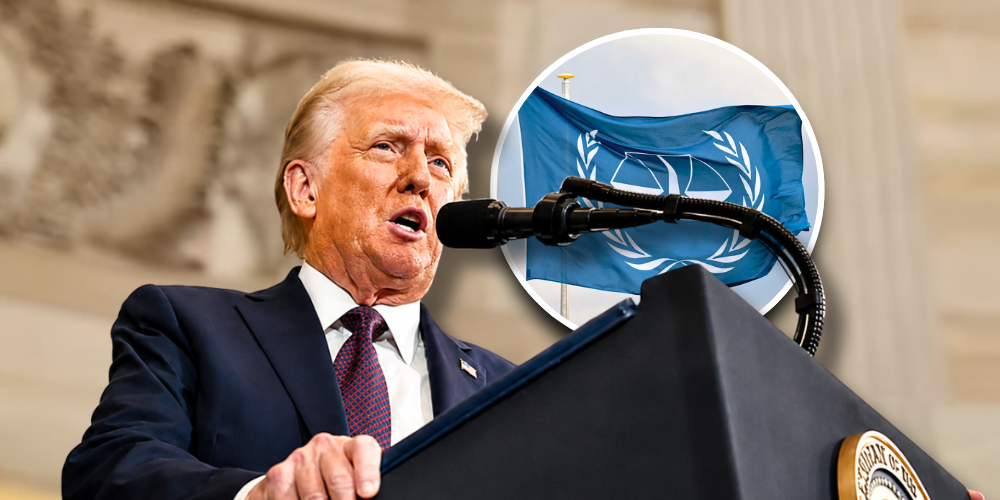
The Trump administration on Monday, July 13, announced a diplomatic push aimed at dismantling the International Criminal Court, calling the tribunal “an intolerable threat to U.S. sovereignty” and encouraging other governments to withdraw their political and financial backing.
In a video message, Secretary of State Marco Rubio accused the ICC of exceeding its intended mandate. “As we speak, the ICC and its friends are waging a war against our country,” Rubio said, adding that the administration would block foreign judges from asserting authority over American officials and military personnel.
The U.S. State Department said it is weighing additional travel restrictions, visa revocations and financial sanctions against ICC officials and affiliated organizations. The U.S. has already imposed asset freezes and entry bans on certain ICC judges and prosecutors under an executive order signed by President Donald Trump in February 2025.
The U.S. has never ratified the Rome Statute and is not a member of the ICC. The tribunal, however, maintains that it has jurisdiction over crimes committed on the territory of member states, even if the accused comes from a country that is not part of the court.
The U.S. had previously sanctioned ICC officials over the court’s investigation into alleged crimes in Afghanistan, including those involving American personnel.
The latest U.S. campaign comes weeks after three sanctioned ICC judges sued the Trump administration, arguing that the penalties were unlawful and designed to interfere with their judicial functions. U.N. spokesperson Stéphane Dujarric defended the ICC as an essential institution for international justice, saying it plays a vital role in holding perpetrators of serious crimes accountable.
The ICC remains a major issue in the Philippines, where ex-President Rodrigo Duterte is being held at the court’s detention facility in The Hague while awaiting trial on crimes against humanity charges. His trial is scheduled to begin on Nov. 30, 2026.
Although the country withdrew from the Rome Statute in 2019, the tribunal maintains it has jurisdiction over alleged crimes committed while the country was still a member.