


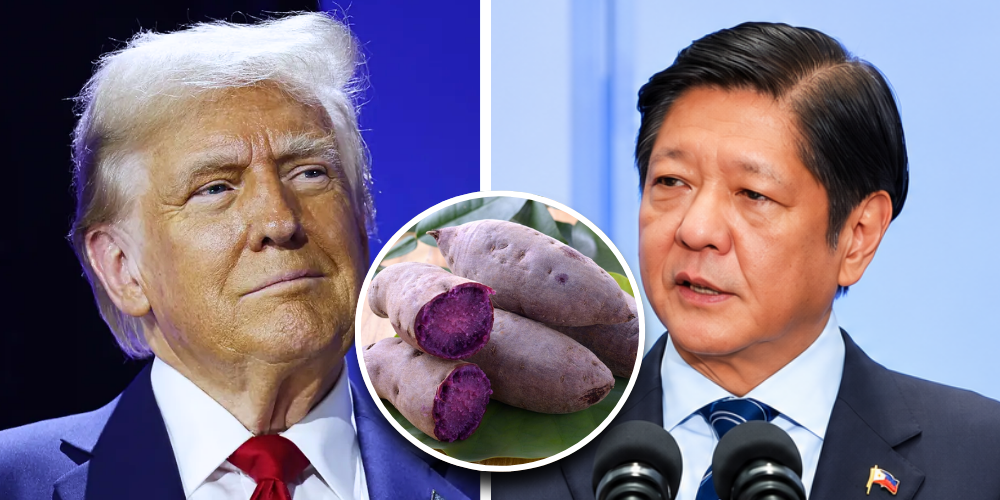
The U.S. Department of Agriculture has awarded $34.1 million, or approximately ₱2.15 billion, for a five-year project to develop the Philippine ube industry, with about 12,500 Filipino farmers expected to benefit.
TechnoServe will implement the project under the department’s Food for Progress Program. Proceeds from the sale of nearly 40,000 metric tons of U.S. soybean meal will finance the initiative.
The support comes as growing global demand creates opportunities for Filipino farmers. Overseas businesses are developing new uses for ube in drinks, pastries, frozen desserts and processed ingredients. Filipino restaurants, bakeries and entrepreneurs have helped bring the crop to international consumers.
The Philippines harvested approximately 12,500 metric tons of ube in 2025, down from about 14,000 metric tons in 2021. Export shipments reached roughly 1,700 metric tons worth $3.1 million in 2025.
The U.S.-funded initiative will support an industry where farmers face shortages of quality planting materials, low productivity and uncertain returns. Inconsistent farming practices affect yields, while harvested tubers naturally remain dormant for several months, making year-round production difficult. Fragmented supply chains and uneven product quality also hamper reliable deliveries to buyers.
The Philippine ube market is estimated at $48.7 million, or approximately ₱3.07 billion, in 2026.
The government has restricted exports of unprocessed, untreated raw ube that can be cut and replanted. The measure seeks to preserve planting stocks for Filipino growers and prevent competing producers overseas from using Philippine planting materials. Processed ube exports remain allowed.
Domestic expansion plans include an additional 1,000 hectares of cultivation and a proposed ₱300-million investment expected to at least double output. Selected farmers and cooperatives would multiply planting materials, supported by tissue culture and other propagation methods.
The five-year U.S. initiative will support the development of the Philippine ube value chain as manufacturers worldwide incorporate the crop into new food and beverage products.