


Philippine employers are quietly reshaping how they hire, and the numbers reveal a striking strend. Part-time job listings on Jobstreet by SEEK surged by 35% in the first quarter of 2026, with more than 4,000 new postings recorded as companies shift toward flexible arrangements to manage costs and broaden their talent pool.
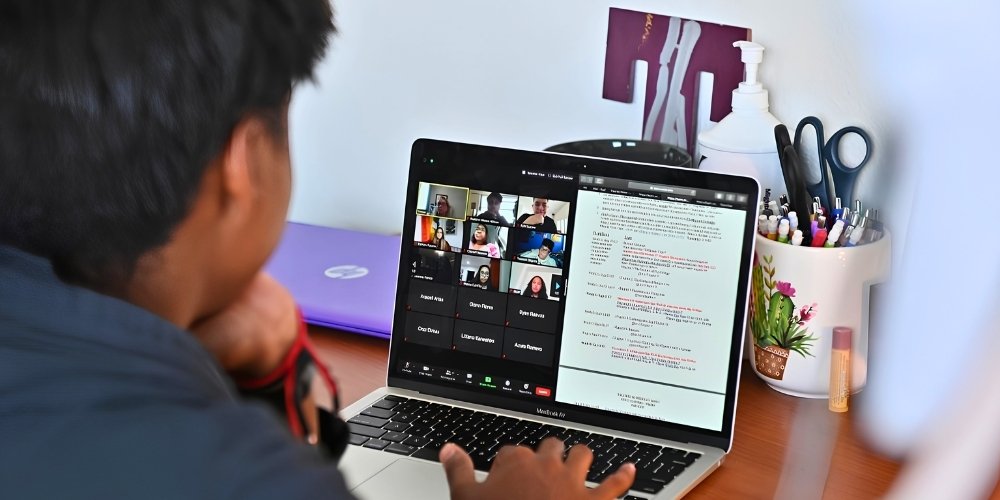
The platform attributed the increase to two converging factors: the normalization of hybrid and remote work across industries, and a stronger employer appetite for global hires. Government agencies and private firms have also been cutting in-person workweeks to offset rising energy costs tied to the ongoing Middle East crisis.
Among the part-time listings, sales-related roles led with 316 postings, followed by marketing and communications with 168, and education and training with 111.
Across all job categories on the platform, call center and customer service roles topped the list at 13.9%, with accounting at 12.5% and ICT at 12.4% close behind. Data from the Philippine Statistics Authority in February showed the wholesale and retail sector as the country’s largest employment base, covering 9.9 million workers.
Jobstreet also flagged a parallel rise in demand for AI-related roles, particularly AI engineers and data analysts, as automation reshapes how employers structure their workforce.
Jobstreet Philippines Managing Director Dannah Majarocon was clear on where artificial intelligence fits into this shift: “While AI is fundamentally changing how we work, it’s not a direct replacement of talent. Rather, it is creating emerging roles that require a human overseer for these automated processes, so employees can focus more on high-thinking critical decision making.”
Majarocon identified three key pillars shaping the country’s labor trajectory moving forward: trust between employers and workers, human-AI collaboration, and sustained investment in skills development. The data suggests Philippine employers are already recalibrating their hiring strategies around this framework.