

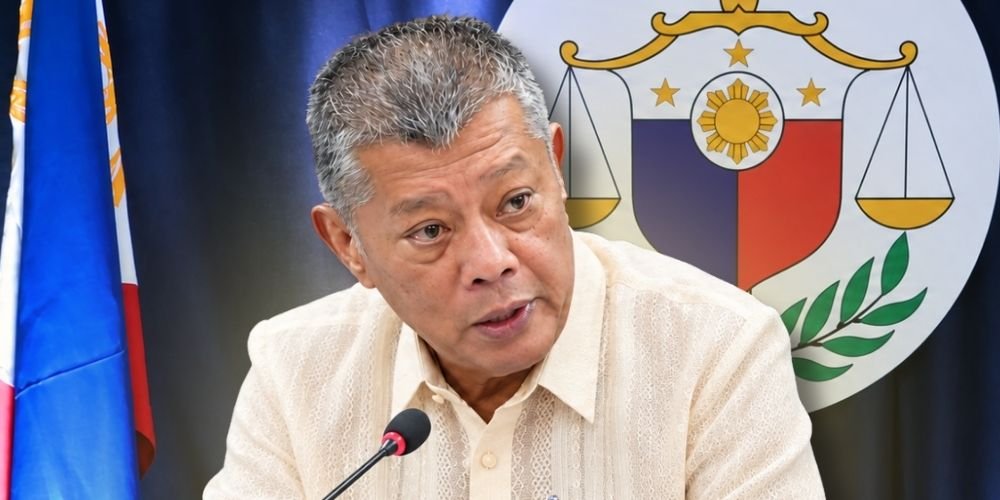
In his report marking his first year in office, Ombudsman Boying Remulla announced is moving to create an “investment ombudsman”—a dedicated channel inside the Office of the Ombudsman where local and foreign investors can directly report officials who demand bribes, delay permits, or abuse regulatory power.
The initiative puts investment protection at the center of the Ombudsman’s next phase. Remulla said businesses of all sizes and origins should have a direct route to the anti‑graft office whenever corruption interferes with permits, regulation, or government transactions.
“We will create an investment ombudsman—it would be a dedicated channel where investors, big or small, local or foreign, can report any public official who demands a bribe, sits on a permit, or abuses regulatory power. And know that this office will act,” Remulla said during his first annual report.
The plan directly confronts a long‑standing problem for businesses dealing with government agencies. Bribes, delayed permits, and regulatory abuse add costs before a business even begins operating, while inconsistent enforcement discourages expansion and investment.
Remulla linked those added costs to consumer prices, jobs, and the wider economy.
“Pag mababa ang gastos, bababa ang presyo. Dadami ang negosyo at dadami ang trabaho,” he said.
His push comes as Filipino consumers face heavier price pressures. Inflation accelerated to 7.2% in September from 6.1% in August and 1.7% a year earlier, driven by food, housing, utilities, and transport costs.
For Remulla, attracting and protecting investment is inseparable from reducing the hidden costs imposed by corruption. He said lower operating costs can translate into cheaper goods, more businesses, and more jobs.
“Yan ang tunay na kahulugan ng pagbangon na ekonomiya para sa ordinaryong Pilipino. Mas magaan na bayarin, mas murang bilihin, at mas maraming hanapbuhay,” he said.
The Ombudsman also plans to bring regulators into the campaign. Remulla announced that his office will convene the Philippine Regulatory Summit in 2027, gathering agencies across industries to identify gaps where regulation is absent and overlaps where authority is excessive.
“In 2027, we will hold the Philippine Regulatory Summit, bringing together regulators across all sectors. Together, we will map the gaps where no one regulates and the overlaps where too many do,” he said.
The summit is designed to complement the investment channel by addressing government systems where bribery, permit delays, and regulatory abuse thrive. Remulla said the Ombudsman will examine how regulators exercise authority and where overlapping rules create openings for corruption or unnecessary costs.
The initiative expands the Ombudsman’s economic role beyond prosecuting corruption after violations occur. Remulla is now targeting the government‑business relationship itself, with a dedicated investor reporting mechanism and a national regulatory summit aimed at making it harder for officials to extract bribes, stall legitimate businesses, or misuse regulatory authority.
Appointed Ombudsman on Oct. 7, 2025, Remulla serves a fixed seven‑year term until 2032. Before his appointment, he was the country’s 59th Justice Secretary, represented Cavite’s 7th District in Congress, and held posts as governor and lawyer. He earned his political science and law degrees at the UP Diliman, graduating from law school in 1987.