

The government will retain ownership of the MRT-3 and control over fares as it moves to privatize the railway’s operations and maintenance under a proposed ₱103.6-billion contract targeted for award in 2027.
Under the proposed public-private partnership, the winning concessionaire will operate and maintain MRT-3 while investing in additional train cars, signaling systems and other railway facilities. The arrangement is intended to place responsibility for railway services under a single private operator without transferring government ownership of the line.
The Department of Transportation (DOTr) will continue to determine ticket prices, set service quality requirements and enforce performance standards, while the private operator will not be allowed to raise fares independently.
“Mananatili po ang pagmamay-ari ng MRT-3, mananatili po ang pagtatakda ng pasahe, ng service quality requirements, ng performance standards,” DOTr Undersecretary Timothy John Batan said.
The privatization plan also seeks to expand MRT-3’s capacity from about 500,000 passengers a day to as many as 1 million, although technical studies being conducted with the Asian Development Bank are still determining the railway’s actual capacity.
Proposed upgrades include acquiring additional train cars, shifting to four-car train configurations and improving signaling systems to reduce train intervals from about three and a half minutes to two minutes.
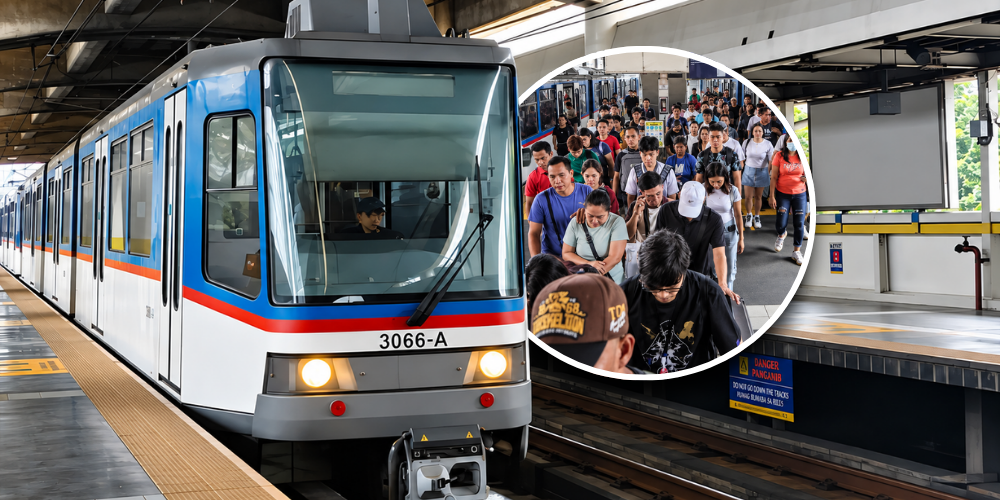
The government expects the improvements to ease crowding and reduce passenger queues as MRT-3 continues to serve more than 388,000 commuters daily across 13 stations. The railway recorded 506,904 passengers on Oct. 21, followed by a train-door malfunction at Araneta-Cubao station that disrupted operations the next day.
The concessionaire’s payments will be tied to performance indicators such as train availability, punctuality, cleanliness and maintenance, giving the government leverage to hold the private operator accountable for service quality.
The DOTr is targeting the award of the privatization contract by the third quarter of 2027, ahead of the expiration of its maintenance agreement with Sumitomo Corporation in December.