


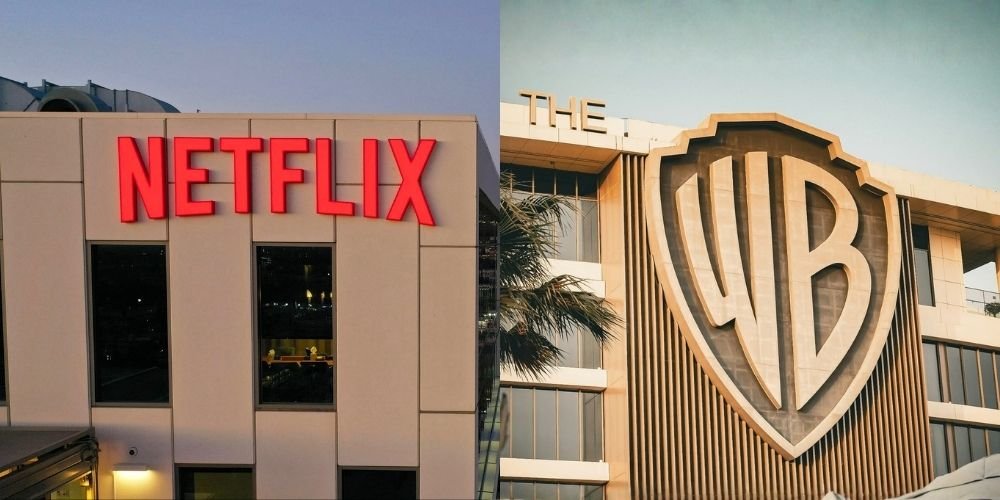
For a platform built on momentum, a sudden drop like this lands differently. Netflix shares fell over 9% after signaling slower growth ahead, despite reporting strong earnings on paper.
Revenue reached $12.25 billion, while profit rose to $5.28 billion. However, that surge relied heavily on a $2.8 billion termination fee from the failed Warner Bros. Discovery deal.
More importantly, the numbers behind the headlines raised concern. Netflix kept its full-year growth guidance at 11% to 13%, a range that suggests limited expansion.
This comes after price increases and a quarter that already benefited from one-time gains. As a result, investors faced a clearer picture of where growth may be heading.
At the same time, the collapsed Warner Bros. bid removed a major strategic move. Netflix declined to raise its offer, allowing Paramount Skydance to take over the assets. That decision avoided higher costs, but it also meant passing on a large content and studio portfolio. The fallout now shifts attention to how Netflix replaces that lost scale.
Leadership changes added another layer to the moment. Co-founder Reed Hastings confirmed he will step down as chairman in June. He had already stepped away from daily operations in 2023, leaving the company under its current co-CEOs. His exit closes a chapter tied closely to Netflix’s rise.
“Netflix won with investors when it lost Warner Bros Discovery,” Ross Benes, senior analyst at eMarketer, on how stepping away from the deal shaped market reaction.
Meanwhile, Netflix is pushing its advertising business, targeting $3 billion in revenue this year. It is also expanding into live sports, podcasts, and games to hold attention.