

As plastic waste continues to choke waterways and oceans, cassava-based bags are emerging as a plant-derived alternative that is designed to break down safely after disposal. In the Philippines, where about 1.8 million to 2.6 million metric tons of cassava are produced each year, the crop could also provide a locally available raw material for biodegradable products.
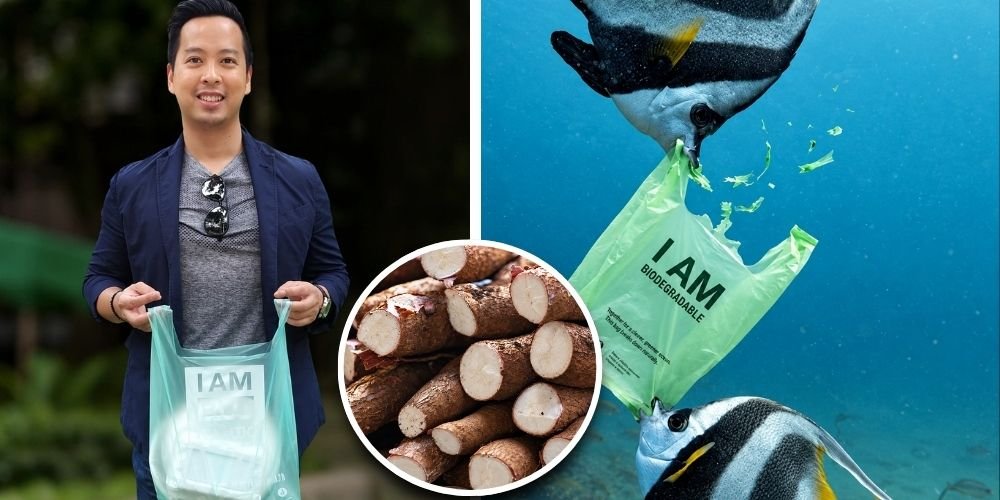
Cassava Bags Australia says its bags dissolve in water without leaving microplastics and are safe if accidentally consumed by marine animals.
Made in Indonesia, the bags are produced from starch extracted from cassava, a drought-tolerant root crop, and blended with organic materials. The company says the resulting material contains no petroleum or toxins and is entirely free of conventional plastic.
Depending on water temperature, the bags can dissolve in hot water in as little as three minutes. When buried in soil, they biodegrade within six months, while the company says they can dissolve in ocean water within days.
Despite being biodegradable, the material is designed to remain waterproof during everyday use. The bags can withstand rain and moisture without breaking down immediately. Cassava Bags Australia also says the products have been tested by internationally recognized companies and found to be plastic-free and biodegradable.
“What we have done is extract and combine it with organic components to create a biodegradable film,” CEO Bruce Delarossi said.
Cassava Bags Australia is also extending the material into products such as bin liners, pet waste bags, mailers, aprons and sanitation covers. The company plans to expand distribution in retail, hospitality and medical markets before pursuing wider international distribution.
The Philippines generates about 1.7 million metric tons of post-consumer plastic waste each year, with more than 0.3 million metric tons leaking into marine ecosystems annually, according to the World Bank. In a country surrounded by more than 7,500 islands and producing millions of metric tons of cassava each year, the crop could offer a locally available raw material for biodegradable products.