

A supermarket in Chiang Mai, Thailand, has revived one of Southeast Asia’s traditional food-wrapping methods as a practical way to reduce plastic waste, using banana leaves instead of disposable plastic to package selected vegetables. The idea could also have potential in the Philippines, where bananas are widely cultivated and sold in markets, supermarkets and roadside stalls nationwide.
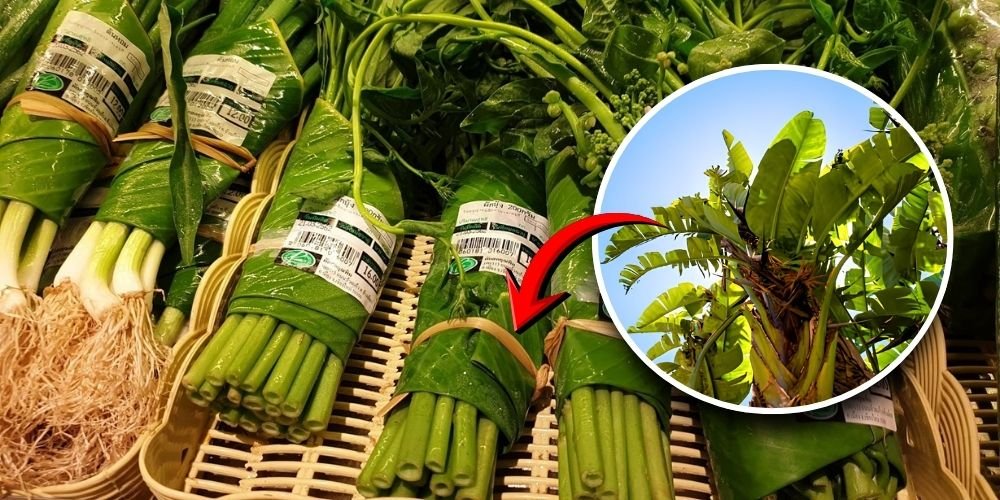
Rimping Supermarket gained attention in March 2019 for using banana leaves to package produce. The vegetables were wrapped in the leaves, secured with ties and finished with labels. After Perfect Homes Chiang Mai posted photos of the practice online, it attracted international attention as a low-waste alternative to conventional plastic packaging.
Banana leaves are flexible, naturally resistant to moisture and biodegradable, making them practical for certain produce. Across the Philippines and Southeast Asia, they have traditionally been used for wrapping, cooking and serving food, making them a familiar and readily available material.
The Philippines ranks among the world’s major banana producers, with the crop grown by commercial farms and small-scale farmers in various regions. Bananas are common in the Filipino diet, while banana plants and their broad leaves are widely found in rural and farming communities.
The approach is especially relevant as the Philippines continues to grapple with plastic waste. The World Bank estimates that the country produces about 1.7 million metric tons of post-consumer plastic waste annually, with more than 0.3 million metric tons entering marine ecosystems each year.
Banana leaves, however, would not be suitable for every kind of food packaging. Retailers would have to address sanitation, shelf life, refrigeration, transportation, labor and access to clean leaves. Labels, ties and other fasteners could also still contain plastic, while foods requiring sealed or highly protective packaging would need alternative materials.