


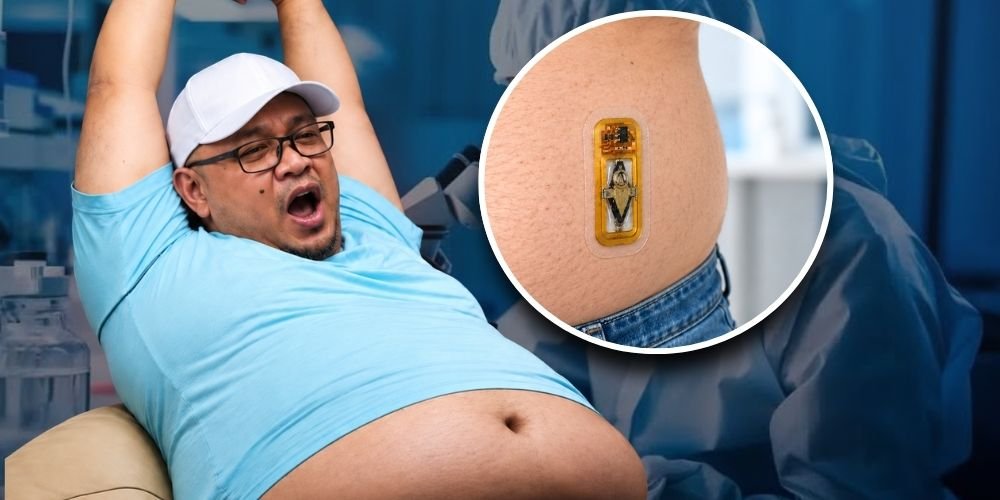
In a major leap forward for regenerative medicine, independent research groups have developed functional, three-dimensional “mini pancreases” from living human stem cells. The engineered tissues can detect changes in glucose and release insulin without external control, raising the possibility of a biological treatment for insulin-dependent diabetes.
The implantable structures are designed to function inside the body and interact with a patient’s biological systems. In Type 1 diabetes, the immune system mistakenly destroys insulin-producing beta cells in the pancreatic islets. Current treatment relies heavily on artificial pancreas systems that pair continuous glucose monitors with external insulin pumps controlled by software.
The new approach seeks to replace that machinery with living tissue. Researchers use induced pluripotent stem cells, or iPSCs, to develop unspecialized cells into functional human islet organoids, then use tissue-engineering techniques to help them survive after implantation.
At the Massachusetts Institute of Technology, researchers developed an implantable device with an oxygen-generating system designed to keep encapsulated islet cells functioning. In preclinical tests, the system maintained cell function for at least 90 days. Researchers at the Wake Forest University School of Medicine separately used 3D printing to create supportive environments that kept human islets healthy and responsive to glucose.
Unlike traditional donor-cell transplants, which can require lifelong immunosuppressive drugs, the new implants use semipermeable, biocompatible membranes to protect the cells. Microscopic pores allow glucose and insulin to pass while blocking immune cells from attacking the tissue.
The technology is not yet available as a routine treatment and remains in preclinical development and early-stage research. Newer devices have maintained healthy blood sugar levels in animal studies for months.
Early human testing preparations are underway through international efforts. Researchers still need to establish the implants’ long-term durability, blood-vessel integration and safety in humans, meaning regulatory approval remains years away.